
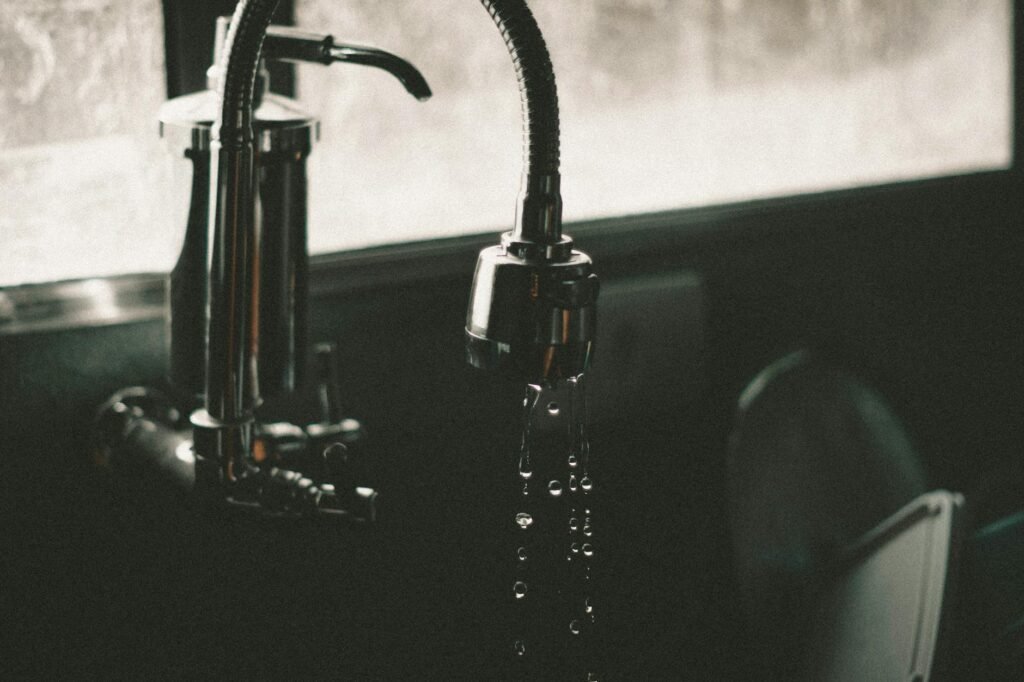
Most expensive home problems do not begin as obvious emergencies. They start as a damp cabinet floor, a toilet that quietly refills, a brown ring on a ceiling, a musty corner in the basement, or a clogged filter that makes your HVAC system work harder than it should. EPA says the average household’s leaks can waste nearly 10,000 gallons of water a year, and wet materials that stay damp for 24 to 48 hours can turn into mold problems. (epa.gov)
The point of a monthly check is not to become your own contractor or to turn a Saturday into a maintenance project. It is to shorten the gap between “something changed” and “I dealt with it.” That gap is where small repairs turn into emergency spending. The routine below is built to be quick enough to repeat and specific enough to catch the problems that commonly hit a household budget first. (epa.gov)
TL;DR
- Use the DAMP-15 method: Drips, Airflow, Moisture clues, and Protection, plus perimeter drainage. (epa.gov)
- Sort every finding into Green, Yellow, or Red so you know whether to log it, fix it this week, or act the same day. (epa.gov)
- Spend the first few minutes in wet rooms and utility areas. Leaks, mold, and water damage often start there. (epa.gov)
- Use utility bills, a water-meter check, and dated photos to verify that your routine is actually catching changes. (energy.gov)
- If you see active leaking, recurring ceiling stains, failed alarms, or materials that stay wet, stop watching and escalate. (epa.gov)
Why this 15-minute check is worth doing every month
Leaks, mold, HVAC neglect, and dead alarms have one thing in common: they hide in plain sight until they cost more. EPA says fixing easily corrected household leaks can save homeowners about 10% on water bills. DOE says dirty filters reduce airflow and system efficiency. USFA says smoke alarms should be tested monthly and replaced every 10 years. None of those tasks are glamorous, but they are exactly the kind of low-effort maintenance that can help keep a minor issue from becoming a bigger bill. (epa.gov)
The DAMP-15 method: a simple triage tool you can use immediately
Here is the original tool for this article. DAMP-15 stands for Drips, Airflow, Moisture clues, and Protection, plus perimeter drainage. As you move through the house, give each area a color. Green means dry, unchanged, and working. Yellow means something is off but not actively failing, so you schedule a fix within a week. Red means active water, repeated staining, failed alarms, soft materials, or anything that suggests the problem is progressing right now. That color system matters because the real financial mistake is not spotting a problem. It is spotting one and treating it like it can wait forever. (epa.gov)
| Zone | Green | Yellow | Red |
|---|---|---|---|
| Bathrooms and kitchen cabinets | Dry floor, dry supply lines, toilet base feels firm. | Minor damp ring, slow drip mark, or occasional refill sound. Fix within 7 days. | Active drip, loose toilet, water in cabinet, or refill noise that keeps returning. Same-day repair or plumber. (epa.gov) |
| Laundry and water heater area | Dry floor or pan, no new rust streaks, no new staining. | One-time dampness you can trace and dry, then monitor with a photo. | Repeated moisture, rust flaking, or active leaking. Escalate quickly before it reaches flooring or wall materials. (epa.gov) |
| HVAC return and nearby closet | Filter date is current, airflow feels normal, no pooled water. | Filter overdue or grille visibly dusty. Replace this week. | Weak airflow, icing, pooled water, or repeated shutdowns. Call an HVAC pro. (energy.gov) |
| Ceilings, windows, attic hatch if easily reached | No staining, no bubbling paint, no musty smell. | Old stain that looks stable; photograph it and recheck next month. | Fresh stain, peeling paint, soft drywall, or musty odor. Find the source now, not after repainting. (epa.gov) |
| Outside drainage and safety devices | Downspouts move water away from the house and alarms test normally. | Splashing near the foundation, short downspout discharge, or a battery device needing replacement. | Standing water at the foundation, recurring seepage, or an alarm that still fails after basic battery replacement. Same-day action. (epa.gov) |
Your monthly route, minute by minute
- Minutes 1 to 4: Start with the wet rooms. Open the cabinets under the busiest bathroom sink and kitchen sink. Touch the cabinet floor, look at supply lines and shutoff valves, and glance around the toilet base. Listen for a toilet that refills when no one is using it. EPA specifically points homeowners to toilets, dripping faucets, pipe fittings, and other common household leak points. (epa.gov)
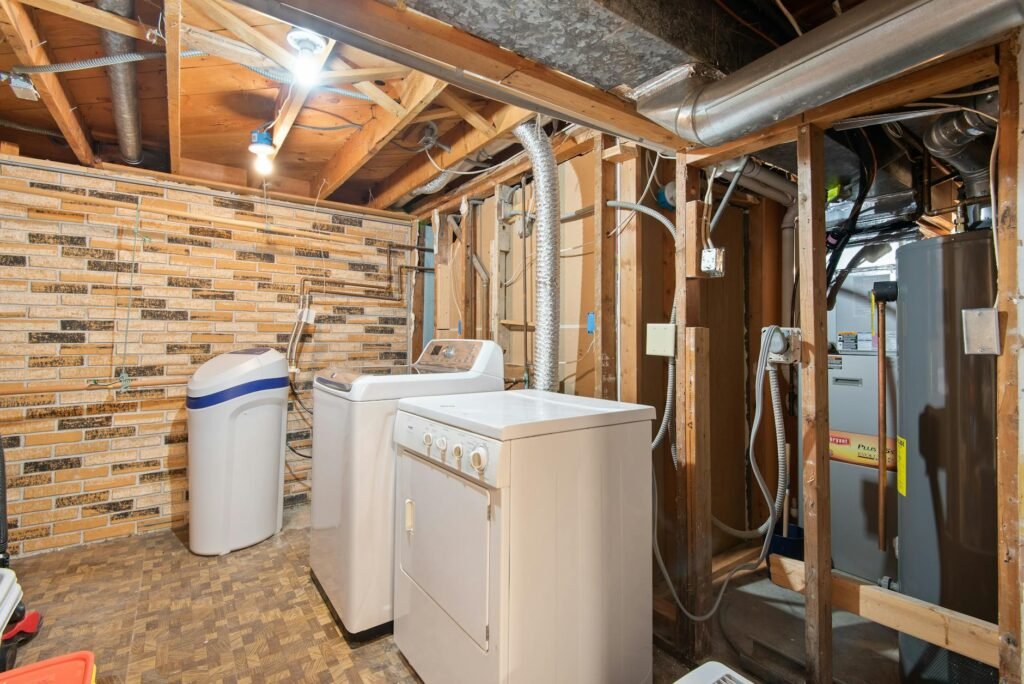
- Minutes 5 to 7: Check the laundry area, utility closet, and water heater area visually. You are looking for damp flooring, new rust, staining, or anything that suggests water is not staying contained. If you have an attic hatch that is easy and safe to open, a quick look for fresh staining is useful; FEMA notes that staining or discoloration can be a sign of water intrusion. (fema.gov)
- Minutes 8 to 10: Check your HVAC filter and the area around the air handler or condensate line, if visible. Write the install date on the filter if you do not already do that. DOE says dirty, clogged filters reduce airflow and efficiency, and if you are unsure about timing, cleaning or replacing filters every month or two during the cooling season is a reasonable default. (energy.gov)
- Minutes 11 to 12: Press the test button on smoke and CO alarms. USFA says smoke alarms should be tested monthly, and CPSC says smoke and CO alarms should be tested monthly as well. If convenient, also glance at the outdoor dryer vent flap while the dryer is running to make sure it opens freely. (usfa.fema.gov)
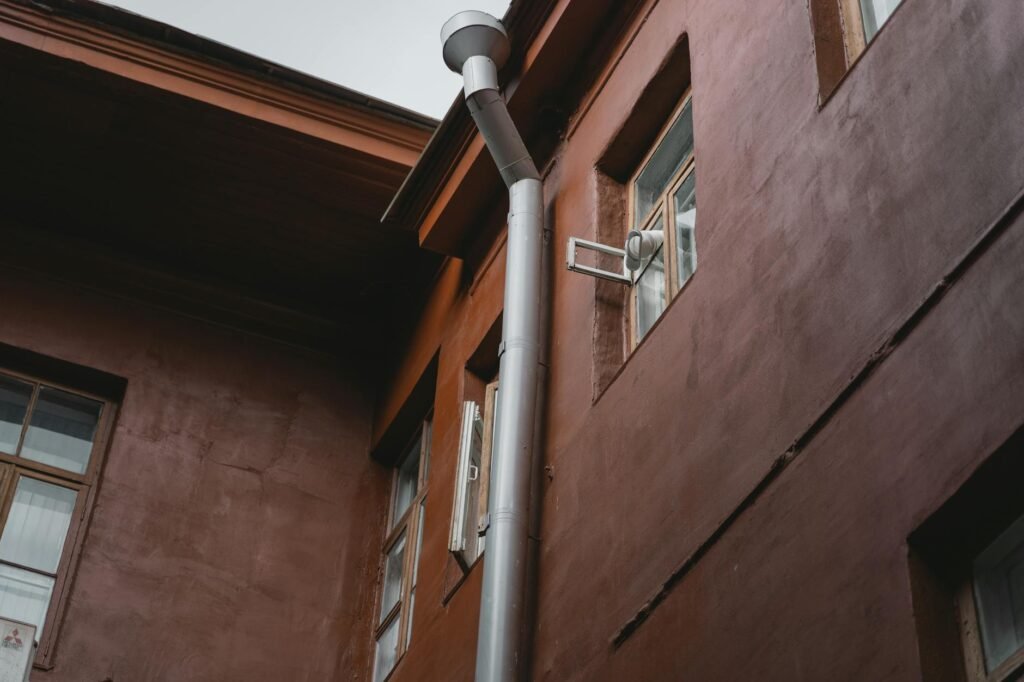
- Minutes 13 to 14: Walk outside. From the ground, look at gutters, downspouts, splash zones, basement window wells, and hose bibs. EPA’s termite-prevention guidance emphasizes proper grading and drainage, including gutter and downspout maintenance, because keeping water away from the foundation matters. (epa.gov)
- Minute 15: Log what changed. Take two to four phone photos, note any Yellow or Red items, and look at this month’s utility bills. DOE’s home energy checklist specifically includes a monthly bill review, and a utility spike can be your first clue that something in the house changed before you can see it clearly. (energy.gov)
A realistic example with numbers
Say your combined water and sewer bill is $78 a month. During your monthly check, you hear a toilet quietly refill every few minutes and notice dampness near the shutoff. EPA says fixing easily corrected household water leaks can save homeowners about 10% on water bills. If that leak were driving even a 10% increase in your bill, stopping it would save about $7.80 a month, or roughly $94 over a year, before you count the value of avoiding damaged flooring, mold risk, or an after-hours plumbing call. The exact savings will vary, but the point is clear: the return often comes from catching a small, boring problem while it is still small and boring. (epa.gov)
Common mistakes that make the routine less useful
- Treating stains as cosmetic. A ceiling ring, bubbling paint, or musty smell is a moisture clue first and a cosmetic problem second. (epa.gov)
- Checking only inside. Water problems often start with drainage outside, including short downspouts or water collecting near the foundation. (epa.gov)
- Guessing on filter timing. If you do not date the filter, it is easy to think it was changed “recently” when it was not. DOE recommends regular filter inspection and replacement as needed. (energy.gov)
- Ignoring utility bill changes because the amount does not seem dramatic. A small recurring increase can still point to a leak or equipment issue. (energy.gov)
- Seeing a Yellow item three months in a row and still calling it minor. Repetition is a sign that the issue is not resolving on its own. (epa.gov)
When a quick monthly check is not enough
This routine is a screening tool, not a full inspection. It will not diagnose hidden pipe leaks inside walls, cracked heat exchangers, underground drainage failures, or roof defects you cannot safely see. If you have repeated staining, standing water after storms, seepage at the foundation, a persistent musty odor, or anything that stays wet beyond 24 to 48 hours, move beyond observation and bring in help. EPA’s mold guidance is especially clear that drying wet materials quickly matters. (epa.gov)
- Older homes, homes with basements, and houses with prior leak history usually need a deeper seasonal inspection in addition to the monthly walk-through. (epa.gov)
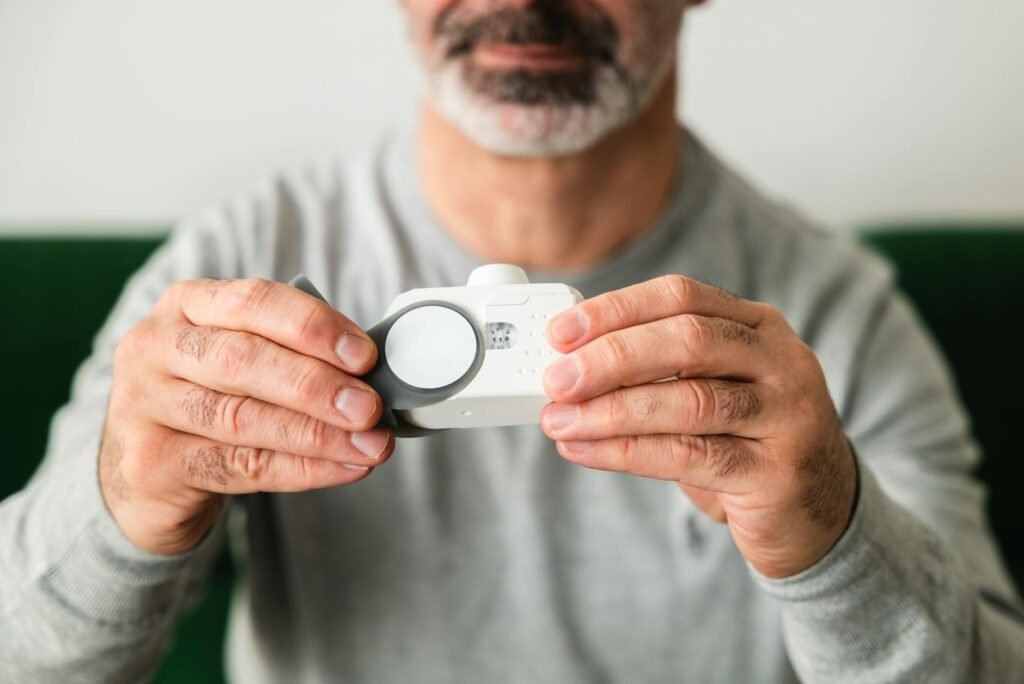
- If you travel often, have a second home, or have laundry on an upper floor, leak detection or flow-monitoring devices can be a sensible backup. EPA says these devices can alert homeowners to unexpected dampness or irregular water use and help reduce damage from leaks. (epa.gov)
- For heating and cooling equipment, follow the manufacturer’s instructions and schedule professional service when recommended. DOE advises annual inspection of heating and cooling equipment and replacing filters as needed. (energy.gov)
How to verify that the routine is actually working
- Collect your utility bills monthly. DOE’s home energy checklist recommends monthly bill review, and it gives you a simple before-and-after record of whether repairs and maintenance are helping. (energy.gov)
- If the water bill jumps unexpectedly, do EPA’s two-hour meter test when no water is being used. If the meter changes, you probably have a leak somewhere. (epa.gov)
- If water use still looks suspicious, do a toilet dye test. EPA says a couple of drops of food coloring or a dye tablet in the tank, followed by about 10 minutes of waiting, can reveal a silent toilet leak. (epa.gov)
- Take the same four photos every month: under the busiest sink, the toilet base in the most-used bathroom, the laundry or water-heater area, and the ceiling or wall section you consider most vulnerable. A photo log makes it much easier to tell whether a stain is truly unchanged. (epa.gov)
- Write dates on HVAC filters and check the manufacture date on smoke alarms. If a smoke alarm is 10 years old, replace it rather than assuming the monthly test button is enough. (energy.gov)
Bottom line
The best home-maintenance habit is not the most ambitious one. It is the one you will actually repeat. A 15-minute DAMP-15 check will not eliminate repair bills, but it can shorten the life cycle of the small, quiet problems that so often turn into large, expensive ones. Keep the route simple, log what changed, and treat Red findings like timing matters, because it usually does. (epa.gov)
FAQ
If I only have five minutes, what should I check first?
Start with the wet rooms and utility area: under the busiest sink, around the main toilet base, and around the laundry or water-heater area. Those are high-value spots because EPA leak guidance points to toilets, faucets, valves, and fittings as common trouble areas. (epa.gov)
How often should I replace my HVAC filter?
Follow the manufacturer or your HVAC contractor first. If you are unsure, DOE says to clean or replace filters every month or two during the cooling season, and DOE’s heat-pump guidance says every 3 months or as recommended by the manufacturer or installer. Homes with pets, dust, or heavy system use may need more frequent checks. (energy.gov)
Is a higher water bill enough reason to investigate for leaks?
Yes. EPA says that if a family of four exceeds 12,000 gallons in a colder month, there are serious leaks, and EPA also recommends the two-hour meter test when no water is being used. A quiet bill increase is often one of the earliest warning signs you will get. (epa.gov)
Are leak sensors worth buying?
They can be, especially if you travel often, have a finished basement, own a second home, or have a laundry area on an upper floor. EPA says moisture-detection and flow-monitoring devices can alert homeowners to unexpected dampness or irregular water use and can reduce damage from leaks. (epa.gov)
When should I call a professional right away?
Call promptly for active leaks, water near electrical components, recurring ceiling stains after rain, alarms that will not work properly, sewage backups, or wet materials that stay damp long enough to raise mold concerns. EPA says wet materials should be dried within 24 to 48 hours to help prevent mold growth, and FEMA says staining can signal water intrusion that needs professional attention. (epa.gov)
References
- EPA: A Brief Guide to Mold, Moisture and Your Home – https://www.epa.gov/mold/brief-guide-mold-moisture-and-your-home
- EPA: Fix a Leak Week – https://www.epa.gov/watersense/our_water/fix_a_leak.html
- EPA: Home Maintenance – https://www.epa.gov/watersense/home-maintenance
- EPA: Leak Detection and Flow Monitoring Devices – https://www.epa.gov/watersense/leak-detection-and-flow-monitoring-devices
- Department of Energy: Maintaining Your Air Conditioner – https://www.energy.gov/energysaver/maintaining-your-air-conditioner
- Department of Energy: Do-It-Yourself Home Energy Assessments – https://www.energy.gov/energysaver/do-it-yourself-home-energy-assessments
- Department of Energy: Home Energy Checklist – https://www.energy.gov/femp/home-energy-checklist
- USFA: Smoke Alarms – https://www.usfa.fema.gov/prevention/home-fires/prepare-for-fire/smoke-alarms/index.html
- CPSC: CO Alarms – https://www.cpsc.gov/Safety-Education/Safety-Education-Centers/Carbon-Monoxide-Information-Center/CO-Alarms
- EPA: Termites – How to Identify and Control Them – https://www.epa.gov/safepestcontrol/termites-how-identify-and-control-them
- FEMA: Check Your Roof Flashing – https://www.fema.gov/es/node/618044
- USFA: Basement and Garage Fire Safety – https://www.usfa.fema.gov/prevention/home-fires/prevent-fires/basement-and-garage/