
A failing water heater usually sends signals before it quits. Here’s how to spot them early, decide whether to repair or replace, and avoid turning a manageable appliance problem into an expensive emergency.
Water heaters rarely fail without warning. The bigger problem is that the warning signs are easy to rationalize away: a little rust, a little noise, one shorter shower, one damp spot in the pan. That is often expensive timing. The Department of Energy says water heating is typically the second-largest home energy expense and accounts for about 18% of home energy use, which means an aging heater can cost you money before it ever fully breaks. (energy.gov)
- Small puddles, rust streaks, relief-pipe drips, and rumbling sounds are not cosmetic. They often point to pressure, sediment, scale, or internal corrosion. (forthepro.bradfordwhite.com)
- Use the HEATER scorecard below to decide whether to monitor, schedule service, or start replacement planning now.
- For most households, DOE says 120°F is usually enough. CDC adds an important nuance: 130°F to 140°F can reduce Legionella risk but also raises burn risk, so households with higher-risk occupants should discuss temperature and mixing-valve strategy with a qualified professional. (energy.gov)
- If you smell gas, leave the house immediately and call your gas supplier or 911 from outside. (cpsc.gov)
- If replacement looks likely, planning ahead gives you better sizing, better bids, and more upgrade options than a same-day emergency swap. (energy.gov)
WarningThis article is informational, not a substitute for a licensed plumber, electrician, or gas utility emergency instructions. Gas odor, scorch marks, relief-valve discharge, or an active leak from the tank body deserve same-day attention. (cpsc.gov)
Use the HEATER scorecard before you spend money
Most homeowners wait too long because they evaluate each symptom separately. A better approach is to look at the full pattern. Use the HEATER scorecard below as a quick triage tool for a typical residential storage-tank water heater.
- H – Hot water reliability: Score 0 if performance feels normal. Score 1 if recovery is slower or the tank runs short earlier than it used to. Score 2 if temperatures swing or your normal shower routine no longer works. Sediment, thermostat trouble, heating-element problems, or scale are common reasons. (rheem.com)
- E – Exterior moisture or rust: Score 1 for a damp pan, light corrosion at fittings, or intermittent condensation. Score 2 for rust streaks, recurring water around the base, or moisture that returns after you dry the area and run hot water. A leak from the tank body usually means replacement, not a clever repair. (rheem.com)
- A – Age and maintenance history: Score 0 if the unit is relatively new and maintained. Score 1 if the age is unclear or maintenance has been neglected. Score 2 if a conventional tank is already in the older range and symptoms are appearing; manufacturer and ENERGY STAR guidance treat the 10-year point as a planning signal, not a promise. (energystar.gov)
- T – Tank noise: Score 1 for occasional ticking from expansion. Score 2 for rumbling, popping, bubbling, or hissing during heating cycles, which often points to sediment or scale. (forthepro.bradfordwhite.com)
- E – Energy or water-quality change: Score 1 if reheating takes longer or bills creep up. Score 2 if you also see rusty hot water, cloudiness, mineral debris, or sulfur odor only on the hot side. (energy.gov)
- R – Red-flag safety issue: Do not score this. If you smell gas, see the relief line discharging, or find an active leak from the tank body, move straight to same-day action. (cpsc.gov)
Score interpretation: 0–2 points means monitor and maintain. 3–5 points means book service and collect replacement quotes. 6 or more points means schedule service or replacement planning now. Any red-flag condition overrides the score and requires same-day action.
The warning signs people write off
A pan that is “only a little wet”
A little water is rarely nothing. A loose fitting or valve leak may be repairable, but repeated moisture at the base of the tank is a very different story because it can point to internal corrosion. One useful clue: if the area dries and then gets wet again after a heating cycle, the source matters more than the amount. If the tank body itself is leaking, replacement is usually the smart move. If the drip is coming from the relief discharge pipe, the issue may be pressure, thermal expansion, or the valve itself rather than a failed tank. (rheem.com)
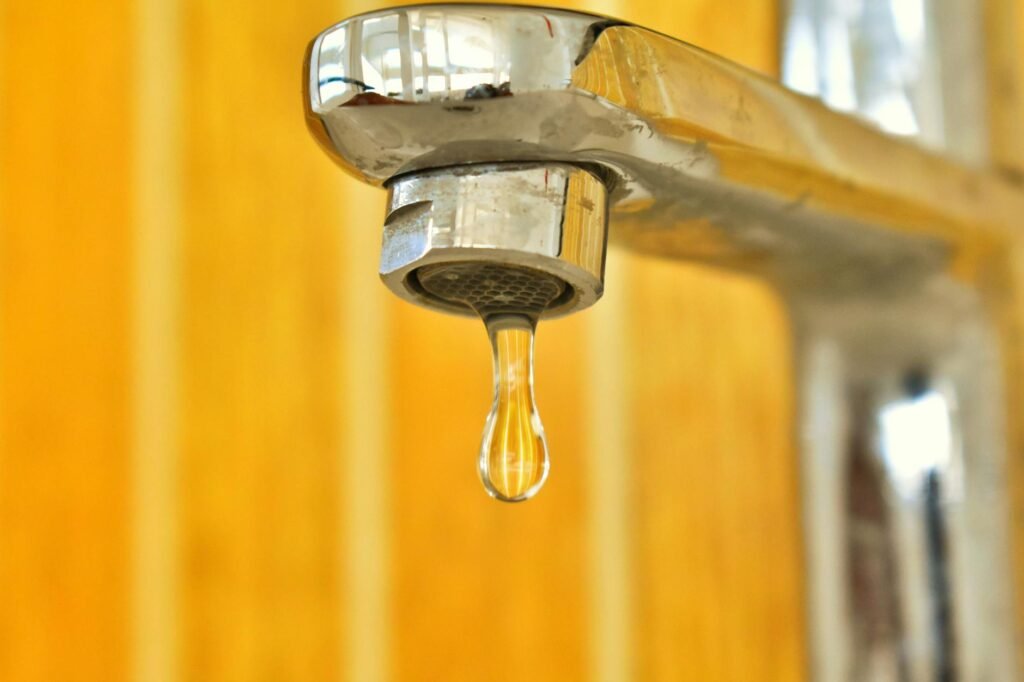
Hot water still works, but not like it used to
This is one of the most expensive signs to ignore because homeowners often compensate instead of diagnosing. They space out showers, turn the temperature up, or stop using one bathroom. Less hot water can point to sediment taking up tank space, failing elements, thermostat problems, scale, or simple undersizing. The key is that reduced capacity is a symptom, not a lifestyle adjustment you should absorb forever. (rheem.com)
Rumbling is usually a bill warning before it becomes a failure
Rumbling, bubbling, popping, or kettle-like noise often means sediment or scale is collecting where heat is being applied. That makes the heater work harder and less efficiently, which is why a noisy unit can become a money problem before it becomes a crisis. DOE says routine storage-water-heater maintenance may include flushing a quart of water every three months, checking the temperature and pressure valve every six months, and inspecting the anode rod every three to four years. That schedule exists because slow buildup is a real wear-and-tear cost. (forthepro.bradfordwhite.com)
Rusty hot water, cloudy hot water, or sulfur smell
When the hot side looks rusty or smells bad but the cold side does not, the heater deserves suspicion. That can mean corrosion inside the tank, a deteriorating anode rod, mineral debris, or bacterial growth in the heater. Some of those issues are fixable if you catch them early. Persistent hot-side discoloration or odor in an older unit is a different conversation because it often shows up late in the life of the tank. (rheem.com)
The relief-pipe drip people keep meaning to ask about
Homeowners often see occasional dripping from the temperature-and-pressure relief discharge line and assume that if it stops, the problem stopped. Not necessarily. A discharging relief valve can point to excessive pressure, thermal expansion in a closed system, or a valve problem. It is not a decorative overflow. DOE recommends checking the temperature and pressure valve every six months, and manufacturer guidance is clear that repeated discharge deserves correction rather than denial. (energy.gov)
A utility bill increase with no obvious lifestyle change
Because water heating is such a large household energy load, small efficiency losses can show up on your bill before they feel dramatic in the shower. Sediment, aging components, and longer run times all raise operating cost. If hot water performance is slipping and the bill is climbing, that is usually not two separate problems. It is often one appliance telling you it is getting less efficient. (energy.gov)
A realistic homeowner math problem
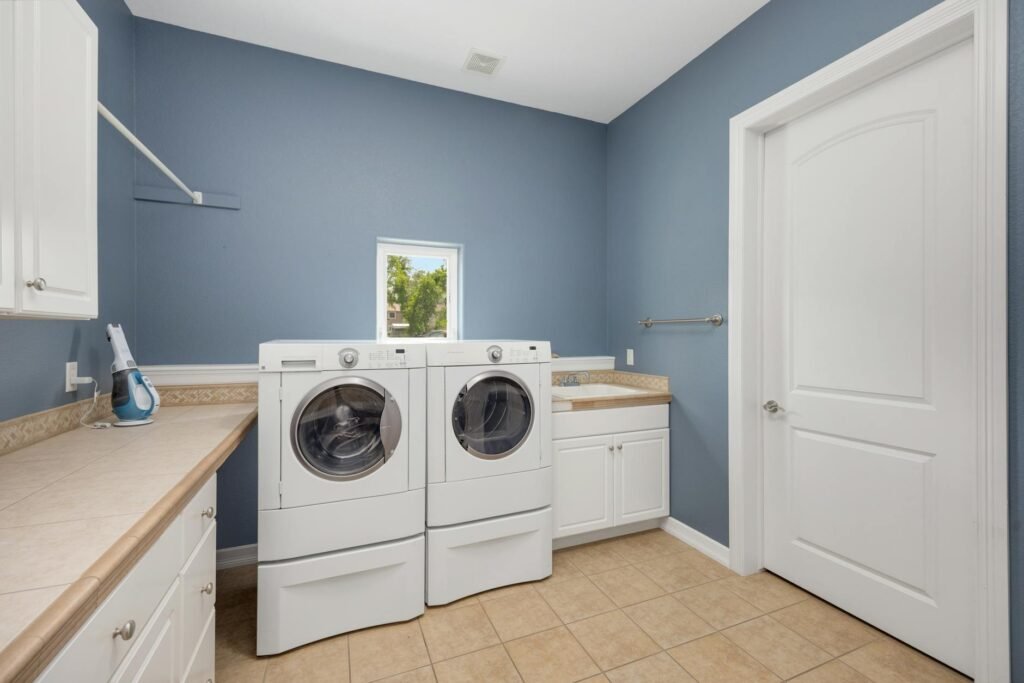
Here is a realistic composite example. A homeowner has an 11-year-old 50-gallon gas tank in a laundry room. The unit has been rumbling for months, the relief line drips once in a while, and the shower goes lukewarm sooner than it used to. They pay a $225 diagnostic fee, then postpone the recommended repair because the water heater still works.
Two months later, the tank seam leaks on a Saturday. The emergency replacement quote is $2,400, plus $600 in cleanup and minor drywall repair. The planned weekday replacement quote they could have accepted earlier was $1,800. The lesson is not that every old heater should be replaced on sight. The lesson is that once several warning signs cluster around an older unit, waiting often means you lose control of timing, price, and options.

NoteIllustrative costs only. Actual repair and replacement prices vary widely by region, fuel type, venting, code upgrades, and whether the job is routine or emergency service.
| What you notice | What it often means | How fast to act | Money-smart move |
|---|---|---|---|
| Light rust at fittings, no active leak, hot water still normal | Service issue or early corrosion | Within 2 weeks | Get an inspection before buying a new tank. Ask about fittings, anode condition, pressure, and maintenance history. |
| Rumbling plus less hot water, but exterior stays dry | Sediment or scale reducing efficiency and usable capacity | Within 1 to 2 weeks | Pay for diagnosis only if the tank is not already old. If age and symptoms cluster, get replacement quotes now. |
| Drip from the relief discharge pipe after heating cycles | Pressure, thermal expansion, or valve problem | Same week | Fix the cause. Do not ignore the drip just because it stops between cycles. |
| Water at the tank seam or recurring puddle at the base | Internal tank failure | Same day | Replace instead of stacking repair money onto a failing tank. |
| Gas smell | Potential gas leak | Immediately | Leave home and call the gas supplier or 911 from outside. (cpsc.gov) |
| Tankless unit runs short only when several fixtures run together | Capacity or sizing problem, not necessarily failure | Plan review, not panic | Compare actual peak demand with the unit’s flow rate before replacing a working heater. (energy.gov) |
Your 15-minute water-heater triage
- Read the label for model, serial, capacity, fuel type, and install or manufacture date. If you cannot find the date, photograph the label for the plumber. Conventional tanks entering the 10-year zone should not get the benefit of the doubt when other symptoms are present. (energystar.gov)
- Dry the area around the base, fittings, and pan, then run hot water and recheck. A return of moisture matters more than one damp snapshot.
- Run only hot water into a clear cup. Compare the hot side with the cold side for color, debris, and odor. If the problem shows up only on hot, the heater becomes the leading suspect. (rheem.com)
- Listen during a heating cycle. Rumbling, bubbling, or hissing is useful diagnostic information, especially in hard-water areas. (forthepro.bradfordwhite.com)
- Check the temperature setting before you turn it up. DOE says most households usually only require 120°F, while CDC notes 130°F to 140°F can reduce Legionella growth but raises burn risk, so higher settings call for a risk discussion and, where appropriate, mixing valves. (energy.gov)
- Look at the relief discharge line and, on gas models, the venting area. Water discharge, corrosion, soot, or scorch marks deserve professional evaluation. (forthepro.bradfordwhite.com)
- If the score is high, get two quotes: one for repair and one for replacement. Ask whether the quote includes permit handling and any required code-related additions. DOE recommends checking permit and local code responsibilities before installation. (energy.gov)
When the obvious fix is not enough
Flushing can help a noisy tank if the body is still sound. Replacing a heating element, thermostat, or relief valve can also be reasonable. But once corrosion appears at the tank body, the base stays wet, or an older tank is showing several symptoms at once, repair often becomes a bridge to failure rather than a real solution. (energy.gov)
Not every hot-water complaint means the heater is dying. DOE says tankless water heaters typically deliver about 2 to 5 gallons per minute, and simultaneous uses can exceed that. If the unit works for one shower but not for a shower plus dishwasher plus laundry, sizing may be the issue. In that case, the fix may be demand management, a second unit, or a better-sized replacement rather than panic replacement of a working heater. (energy.gov)
One more hard line: if the heater was exposed to floodwater, replacement is the safer default. Manufacturer guidance for flooded spaces says gas-, oil-, and electric-fired water heaters that were exposed to floodwater should be replaced. (forthepro.bradfordwhite.com)
If replacement looks likely, spend smarter
The cheapest installed unit is not always the lowest-cost choice. DOE recommends matching a storage heater’s first-hour rating to your household’s peak-hour demand, which is a better sizing method than blindly replacing a 40-gallon tank with another 40-gallon tank. (energy.gov)
- If you are replacing an electric tank, price a heat pump water heater instead of assuming another standard electric model. ENERGY STAR says certified models use about one-quarter of the energy of a standard electric unit, and a household of four may save roughly $600 a year, though actual savings depend on rates and usage. (energystar.gov)
- Add leak protection if the heater sits in a finished space or anywhere water damage would be costly. EPA’s WaterSense program notes leak detection and flow-monitoring devices can be used in leak-prone or hard-to-see areas, including near a water heater. (epa.gov)
- Do not budget around a federal energy credit until you verify current rules. As of May 23, 2026, the IRS says the Energy Efficient Home Improvement Credit applied to qualifying improvements made through December 31, 2025. (irs.gov)
Common mistakes that make the bill worse
- Calling every drip “condensation” without drying the area and checking whether moisture returns after a heating cycle.
- Spending on repeated small repairs when the tank is old, rusty, and already showing multiple HEATER flags.
- Turning the thermostat up to solve a capacity problem. Higher settings increase scald risk and do not fix sediment, sizing, or corrosion. (energy.gov)
- Buying the same gallon size in an emergency without checking first-hour rating or peak-hour demand. (energy.gov)
- Ignoring the relief discharge pipe because it only drips sometimes. Intermittent discharge still points to a pressure or valve problem. (forthepro.bradfordwhite.com)
- Skipping a leak alarm because the heater is in a basement or garage. EPA notes leak-detection devices can reduce water waste and damage caused by leaks. (epa.gov)
How to verify before you approve the work
Ask the plumber to do three things in writing: identify the likely failure point, separate repairable components from tank failure, and state whether the quote includes permit handling, expansion tank work if needed, drain pan details, venting changes, haul-away, and any electrical or gas updates. That turns a rushed appliance swap into an apples-to-apples decision. (energy.gov)
If the diagnosis is “not enough hot water,” pressure-test the explanation. Does the problem happen only during simultaneous use? Did the household size change? Is only one shower affected? Is the unit set unusually low? That small audit keeps you from replacing a working heater when the real issue is demand, a fixture, or sizing. Keep the model info and set calendar reminders for flushing, relief-valve checks, and anode inspections if your manufacturer recommends them; DOE lists those items as routine storage-water-heater maintenance. (energy.gov)
Bottom line
The late signs are usually the small signs: a recurring damp spot, a rumble, shorter showers, rusty hot water, a relief line that drips once in a while. Catch them early and you usually keep control of the timing, the quote, and the upgrade path. Wait too long and the water heater makes the decision for you. If gas odor, active tank leakage, or relief-valve discharge is in the picture, move fast. (cpsc.gov)
Frequently asked questions
Is a noisy water heater always about to fail?
No. Noise often points to sediment or scale, and sometimes maintenance can buy you more life. But noise matters more when it appears alongside age, reduced hot-water capacity, rust, or moisture at the base. (forthepro.bradfordwhite.com)
Should I replace a water heater just because it is 10 years old?
Not automatically. Age by itself is a planning signal, not a verdict. But once a conventional tank is around that range and also shows leaks, rust, noise, or performance decline, replacement quotes become smart homework rather than overreaction. (energystar.gov)
Why do I only run out of hot water when two things are on?
That can be a capacity problem instead of a failure. DOE says tankless units typically deliver about 2 to 5 gallons per minute, and simultaneous uses can exceed that. Storage heaters can also be undersized for current household demand. (energy.gov)
What temperature should I set my water heater to?
DOE says most households usually only require 120°F. CDC adds that 130°F to 140°F can reduce Legionella growth but also raises burn risk, especially for children, older adults, and others at higher risk of scalds. (energy.gov)
Are leak detectors worth putting near a water heater?
Usually yes, especially if the heater is near finished flooring, storage, or drywall. EPA says leak-detection and flow-monitoring devices can help identify leaks and reduce the water waste and damage caused by them, and WaterSense specifically notes use in leak-prone areas such as near a water heater. (epa.gov)
Can I count on a federal tax credit if I replace my water heater this year?
Verify before you count on it. As of May 23, 2026, the IRS says the Energy Efficient Home Improvement Credit applied to qualifying improvements made through December 31, 2025. Current utility or state incentives may still exist, but they need separate confirmation. (irs.gov)
References
- Department of Energy – Water Heating – https://www.energy.gov/energysaver/water-heating
- Department of Energy – Storage Water Heaters – https://www.energy.gov/energysaver/storage-water-heaters
- Department of Energy – Lower Water Heating Temperature – https://www.energy.gov/energysaver/do-it-yourself-savings-project-lower-water-heating-temperature
- Department of Energy – Sizing a New Water Heater – https://www.energy.gov/energysaver/sizing-new-water-heater
- Department of Energy – Tankless or Demand-Type Water Heaters – https://www.energy.gov/energysaver/tankless-or-demand-type-water-heaters
- ENERGY STAR – Heat Pump Water Heaters – https://www.energystar.gov/products/heat_pump_water_heaters
- ENERGY STAR – Super-Efficient Water Heater – https://www.energystar.gov/products/energy_star_home_upgrade/super_efficient_water_heater
- CDC – Preventing Waterborne Germs at Home – https://www.cdc.gov/drinking-water/prevention/preventing-waterborne-germs-at-home.html
- EPA WaterSense – Leak Detection and Flow Monitoring Devices – https://www.epa.gov/watersense/leak-detection-and-flow-monitoring-devices
- CPSC – Gas Safety Warning PDF – https://www.cpsc.gov/s3fs-public/gas.pdf
- CPSC – Avoiding Tap Water Scalds PDF – https://www.cpsc.gov/s3fs-public/5098-Tap-Water-Scalds.pdf?m._5xOy.uwIEj8j_PNhlzcDfcLWoPdqJ=
- Rheem – 5 Signs Your Water Heater Is Going Bad – https://www.rheem.com/water-heating/articles/5-signs-your-water-heater-is-going-bad-and-what-to-do-about-it/