
- In month one, do not aim for a perfect house. Aim for a safer, drier, cheaper-to-run house. CFPB notes that homeownership includes repairs and improvements, not just the mortgage payment. (consumerfinance.gov)
- Your first priorities are alarms, shutoffs, active leaks, electrical safety, and a basic HVAC reset. CPSC, Ready.gov, EPA, and ENERGY STAR all treat these as foundational safety or maintenance items. (cpsc.gov)
- If you identify a serious issue in a home you just bought or are about to buy, use the First-30 Red Tag Rule to decide whether it needs immediate attention. If the condition can injure somebody or damage the house in 30 days or will be substantially more expensive if it is not resolved immediately, this concern should be a very high priority.
- A dirty HVAC filter, a running toilet, a too-hot water heater, or missing CO coverage may look minor but can turn into bigger bills or safety risks. (energystar.gov)
- If something is beyond basic DIY, slow down and hire carefully. The FTC advises getting three written estimates, avoiding door-to-door pressure, and not signing blank papers or paying by cash or wire transfer. (consumer.ftc.gov)
The first month after closing is when a house starts sending you its real to-do list. Not the fun list. The useful one. Which smoke alarms actually work. Whether the upstairs toilet runs. Which shutoff controls the dishwasher leak. Whether the HVAC filter is packed with dust from the sellers’ last renovation. CFPB is blunt about the financial side: when you own a home, you pay for repairs along with taxes, insurance, and any HOA dues that apply. (consumerfinance.gov)
The best strategy for the first month is triage. Focus on preventing avoidable emergencies before you spend time or money on cosmetic projects.
Use the First-30 Red Tag Rule
Each problem or item should be checked based on the answers to three questions: Could this cause harm to anyone? Could this create a possibility of a problem for the home within the next thirty days? Could waiting on this issue create an inexpensive fix turning into an expensive repair? If the answer is yes to two or more of these questions, place a red tag on the problem; complete repair/replacement within seventy-two hours; if the answer is “yes” to only one question, place a yellow tag, report as a yellow tag, on the problem for this month; if none of the three questions are answered “yes,” place a green tag for the future quarter.
| If you find this | Tag | What to do |
|---|---|---|
| Active leak under a sink, warm outlet, missing CO alarm near a sleeping area | Red | Handle it now or book a pro within 72 hours. |
| Dirty HVAC filter, slow-dripping faucet, missing gutter extension | Yellow | Fix or schedule it this month. |
| Paint touch-ups, closet shelving, cosmetic caulk refresh | Green | Put it on a 90-day list so urgent work stays funded first. |
Days 1 to 3: make the house safe and stop obvious damage

- Test every smoke and carbon monoxide alarm. CPSC says to test smoke and CO alarms monthly. It also recommends smoke alarms on every level, inside each bedroom, and outside sleeping areas, with CO alarms on each level and outside sleeping areas. CO is odorless and colorless, so this is not optional. (cpsc.gov)
- Learn the shutoffs before you need them. Find the main water shutoff, electrical panel, and gas shutoff if your house has gas. Ready.gov says household members should know how to shut off utilities, and if you smell gas or hear a hissing sound, get everyone out quickly and follow utility or emergency instructions. (ready.gov)
- Make one simple fire escape plan. Ready.gov recommends a written plan, two ways out when possible, a meeting spot, and practice getting out in under 2 minutes. (ready.gov)
- Walk every bathroom, kitchen sink base, utility room, water heater area, dishwasher connection, refrigerator water line, and washing machine hose. EPA notes that undetected household leaks can waste thousands of gallons and damage the home. Look for drips, stains, soft flooring, or mineral buildup. (epa.gov)
- Test GFCI outlets and breakers in kitchens, bathrooms, garages, basements, laundry areas, and outdoors. CPSC says GFCIs can still provide power even when they are no longer providing shock protection, so a live outlet is not proof that it is safe. (cpsc.gov)
- Be sure to take pictures of the panel directory, the meter numbers, the model and serial tags of any appliances, the present condition of any water heaters and HVAC equipment and any plumbing found under the sink to have a reference point for your claims, warranty inquiries, and repairs that may be needed in the future.
Week 1: find the quiet money leaks
New owners often notice the dramatic problems and miss the steady ones. A running toilet, a loose washing-machine hose, or downspouts draining against the house can quietly waste money or set up water damage. EPA says easy household leak fixes can save homeowners about 10% on water bills, and ENERGY STAR’s maintenance guidance includes checking drainage so water moves away from the home. (epa.gov)

| Task | Why it belongs in month one | Call a pro when | Target deadline |
|---|---|---|---|
| Smoke and CO alarms | They are basic life-safety equipment. CPSC says to test monthly and verify placement on each level and around sleeping areas. (cpsc.gov) | Units are missing, hardwired alarms are chirping after battery replacement, or install dates show the alarms are beyond their service life. | Day 1 |
| Toilet and sink leak check | EPA says undetected leaks can waste thousands of gallons, and a toilet dye test can reveal silent leaks. (epa.gov) | Shutoff valves fail, water damage is visible, or a toilet keeps running after a basic flapper fix. | Week 1 |
| GFCI test | CPSC says to test monthly because a GFCI can still supply power without shock protection. (cpsc.gov) | The outlet or breaker fails the test or feels warm. | Week 1 |
| HVAC filter reset | ENERGY STAR says to check the filter every month and change it at least every 3 months. A dirty filter wastes energy and can lead to expensive maintenance or early failure. (energystar.gov) | Airflow is still poor after a fresh filter, or the system is noisy, short-cycling, or not heating or cooling correctly. | Week 2 |
| Water heater temperature check | DOE says most households usually only require 120°F, which lowers scald risk and can reduce standby losses. (energy.gov) | You are unsure how to adjust it, the unit is leaking, or someone in the household has medical needs that require a discussion with a clinician or plumber. | Week 2 |
| Radon test if you will use a lower level and do not have a recent result | EPA says any home can have elevated radon and testing is the only way to know. EPA recommends fixing at 4 pCi/L or above. (epa.gov) | Your result is at or above 4 pCi/L, or you want professional testing or mitigation. | Week 2 or 3 |
Week 2: reset the systems you will pay for all year
- Replace or clean the HVAC filter, write the size and date on the frame, and add a calendar reminder. ENERGY STAR says to check filters every month, especially in heavy-use months, and to change them at least every 3 months. (energystar.gov)
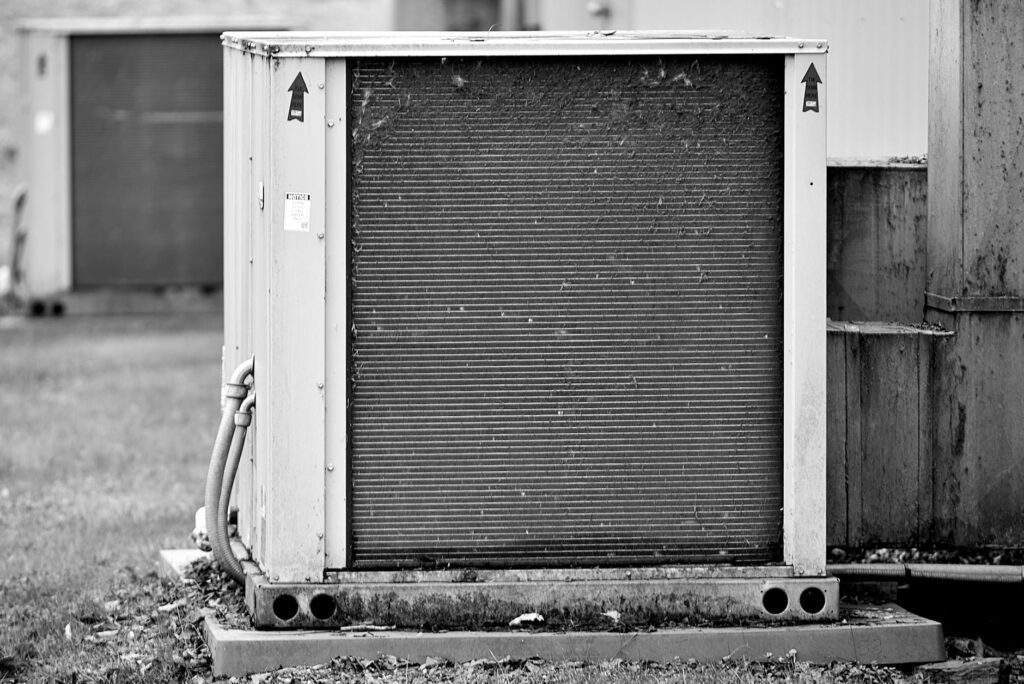
- Clear supply and return vents inside the house, and keep the outdoor unit free of leaves, dust, and stored items. ENERGY STAR notes that dirt and neglect are major causes of HVAC failure and inefficiency. (energystar.gov)
- Check the water heater setting. DOE says most households usually only need 120°F. If your dishwasher does not have a booster heater, or someone in the household is medically vulnerable, confirm the right setup before changing anything. (energy.gov)
- If the basement or lowest lived-in level was not recently tested, run a short-term radon test early. EPA says every new home should be tested after occupancy, and in any home, testing is the only way to know whether radon is elevated. (epa.gov)
A realistic example: a first-time owner in a 1,700-square-foot house replaces one toilet flapper for $12, buys a new HVAC filter for $24, installs two water sensors for $60, replaces batteries and one missing CO alarm for $35, and pays $150 for a gutter cleaning. Total first-month spend: $281. That is not glamorous, but it is controlled. If the leak fix cuts an $88 water bill by about 10%, that is roughly $8.80 a month, and the bigger win is avoiding cabinet, floor, or ceiling damage. EPA says easily corrected leaks can save about 10% on water bills. (epa.gov)
Week 3: build the house file before something breaks
- Create one digital folder and one physical folder for the closing packet, inspection report, seller disclosures, appliance manuals, service contacts, paint colors, and photos of model and serial numbers.
- Put your homeowners insurance declarations page, deductible, insurer phone number, and proof of payment in that folder. If insurance is escrowed, confirm it is actually being paid. CFPB warns that lender-placed coverage may only protect the lender and may cost more than coverage you buy yourself. (consumerfinance.gov)
- Save builder warranty and appliance warranty documents now. The FTC says many new-home warranties do not cover appliances or out-of-pocket living costs during major repairs, so you need to know the limits before a claim. (consumer.ftc.gov)
- Add a starter home-repair line to your budget, even if it is modest. CFPB treats repairs and home improvements as normal ownership costs, not side expenses. (consumerfinance.gov)
- Set recurring reminders for monthly alarm tests, monthly filter checks, and seasonal drainage or exterior checks. (cpsc.gov)

How much should the first month cost?
| Item | Sample cost | Why it makes sense early |
|---|---|---|
| HVAC filter | $24 | Cheap reset for comfort, airflow, and equipment protection. |
| Toilet flapper and supply line | $18 | Low-cost fix for a common silent water leak. |
| CO alarm and batteries | $35 | Basic safety coverage while you learn the house. |
| Two water sensors | $60 | Helps catch leaks under sinks or near the water heater. |
| Gutter cleaning | $150 | Reduces the chance that roof runoff will dump against the house. |
| Folder, labels, and printed emergency sheet | $14 | Makes shutoffs, serials, and service contacts easy to find fast. |
The main objective isn’t to spend absolutely no money. The main objective is to ensure that you are putting your money into the right things first while the house continues to provide you with new information every day. A budget on the first month that prevents one leak from occurring, one unsafe electrical outlet from existing, or one HVAC service call is generally a better budget than one that does not exist because all of the money has gone into decor and no money has been available to complete the basic requirements for safety.
When the simple checklist is not enough
- Repeated breaker trips, GFCIs or AFCIs that fail testing, or outlets that feel warm belong on an electrician’s list, not your someday list. CPSC says defective protection devices should be replaced by a qualified electrician. (cpsc.gov)
- A higher-than-expected water bill, returning stains after rain, cabinet swelling, or unexplained dampness can mean the issue is bigger than a drip. EPA points out that unusual water use and hidden leaks can signal damage as well as waste. (epa.gov)
- If a radon test comes back at 4 pCi/L or above, EPA says to fix the home. That is not a watch-and-wait item. (epa.gov)
- If you need contractor help, use the FTC playbook: get three written estimates, do not sign blank paperwork, do not pay in cash or by wire transfer, and be cautious about anyone who shows up uninvited saying they have leftover materials or a limited-time deal. (consumer.ftc.gov)
- For builder warranty issues, put repair requests in writing and keep records. The FTC specifically recommends written documentation. (consumer.ftc.gov)
Common first-month mistakes
- Spending on furniture, paint, and storage systems before you handle leaks, alarms, filters, and shutoffs.
- Assuming a passing inspection means the house does not need a first-month reset.
- Treating a live GFCI outlet as proof that the safety device works. CPSC says that is not enough; test it. (cpsc.gov)
- Ignoring a small jump in the water bill or a toilet that refills by itself. EPA says those can point to real leak waste. (epa.gov)
- Leaving the old HVAC filter in place because the system still runs. ENERGY STAR says a dirty filter can waste energy and contribute to expensive maintenance or early failure. (energystar.gov)
- Failing to organize insurance and warranty paperwork until after a claim or breakdown. (consumerfinance.gov)
How to pressure-test your first-month plan
- Read your water, electric, and gas meters on move-in day and again when the first full bills arrive. If winter indoor water use for a family of four with no outdoor watering exceeds 12,000 gallons a month, EPA says a serious leak is likely. (epa.gov)
- If the water bill looks high, do two checks: a toilet dye test and a water-meter check during a two-hour period when no water is being used. EPA recommends both methods. (epa.gov)
- Log the date you tested alarms and GFCIs, changed the filter, and adjusted the water heater. A phone note, label, or spreadsheet is enough. (cpsc.gov)
- Keep before-and-after photos, invoices, and written repair requests. The FTC says written records matter for warranty disputes. (consumer.ftc.gov)
- Review your first mortgage statement and insurance status so you know whether taxes and insurance are being handled through escrow the way you expect. (consumerfinance.gov)
Bottom line
A good first month of homeownership does not look dramatic. It looks organized. Working alarms. Labeled shutoffs. A clean filter. No obvious leaks. A water heater set intentionally. A budget line for repairs. A folder that tells you what you own and who to call. That is how first-time homeowners turn a stressful move-in month into a controlled start. (cpsc.gov)
FAQ
What should a first-time homeowner do before fully unpacking?
Test smoke and CO alarms, find the main shutoffs, look for active leaks, and replace the HVAC filter if you do not know when it was last changed. Those tasks give you the fastest safety and cost-control payoff. (cpsc.gov)
Do I need a radon test if the home already had an inspection?
Possibly, yes. EPA says any home can have elevated radon and testing is the only way to know. If you do not have a recent result, especially for a basement or lower lived-in level, testing in the first month is reasonable. EPA recommends fixing the home at 4 pCi/L or above. (epa.gov)
How often should I test smoke and carbon monoxide alarms?
CPSC says monthly. It also says to replace batteries at least once a year unless the unit has sealed 10-year batteries, and to replace smoke alarms when they are more than 10 years old. (cpsc.gov)
Should I lower my water heater to 120°F right away?
For many households, yes, but do it intentionally. DOE says most households usually only require 120°F, which reduces scald risk and can lower standby losses. But some dishwashers without a booster heater may need hotter water, and households with certain medical concerns may want professional guidance before changing the setting. (energy.gov)
What if I cannot afford everything in the first month?
Use the Red Tag Rule from this article. Fund the issues that affect safety, active water damage, or fast-rising repair costs first. Cosmetic work can wait. CFPB’s framework is useful here because it treats repairs as a normal cost of ownership that needs room in the budget. (consumerfinance.gov)
Does a new-home warranty cover everything I find after moving in?
No. The FTC says many new-home warranties exclude appliances and some out-of-pocket costs tied to major defects or repairs. Read the warranty early, follow the claim instructions, and keep your repair requests in writing. (consumer.ftc.gov)
References
- Consumer Financial Protection Bureau: Ready to buy a home? – https://www.consumerfinance.gov/consumer-tools/mortgages/ready-to-buy-a-home/
- Consumer Financial Protection Bureau: What is homeowner’s insurance? – https://www.consumerfinance.gov/ask-cfpb/what-is-homeowners-insurance-why-is-homeowners-insurance-required-en-162/
- U.S. Department of Energy: Lower Water Heating Temperature – https://www.energy.gov/energysaver/do-it-yourself-savings-project-lower-water-heating-temperature
- CPSC: It’s Time to Change Smoke and Carbon Monoxide Alarm Batteries – https://www.cpsc.gov/Newsroom/News-Releases/2023/Its-Time-to-Change-Smoke-and-Carbon-Monoxide-Alarm-Batteries-as-Daylight-Saving-Time-Ends
- CPSC PDF: Home Electrical Safety Checklist – https://www.cpsc.gov/s3fs-public/513.pdf
- Ready.gov: Safety Skills – https://www.ready.gov/safety-skills
- Ready.gov: Practice Your Home Fire Escape Plan – https://www.ready.gov/home-fire-escape-plan
- EPA WaterSense: Home Maintenance – https://www.epa.gov/watersense/home-maintenance
- EPA WaterSense: Leak Detection and Flow Monitoring Devices – https://www.epa.gov/watersense/leak-detection-and-flow-monitoring-devices
- EPA: Radionuclide Basics – Radon – https://www.epa.gov/radiation/radionuclide-basics-radon
- EPA: How to Protect Your Family from Radon When Buying a Newly Built Home – https://www.epa.gov/radon/how-protect-your-family-radon-when-buying-newly-built-home
- ENERGY STAR: Heat & Cool Efficiently – https://www.energystar.gov/saveathome/heating-cooling#change-your-air-filter-regularly?utm_source=energysaver&utm_medium=referral&utm_campaign=energysaver_heat-cool-home-hvac-furnace-ac-waste-energy-money-change-air-filter-regularly-help-your-system-run-efficiently-1-2-0.webp&utm_content=phppromoteblock_1-2-0-0-0-0-0-0-0-0-0-0-0-0-0-0-0-0-0-0-0-0-0-0-0-0-0-0-0-0-0-0-0-0-0-0-0-0-0-0-0-0-0-0-0-0-0-0