
TL;DR
- The highest-value check is simple: disconnect the opener, test balance, inspect sensors, and run the safety-reversal test on schedule. Those steps catch the problems that most often turn a noisy door into a stuck or unsafe one. (support.chamberlaingroup.com)
- Use the right lubricant in the right places. Manufacturers commonly recommend white lithium or a garage-door or silicone-based lubricant for moving parts, while warning against spraying WD-40 everywhere or greasing the actual tracks. (support.chamberlaingroup.com)
- If the door is out of balance, binds, has visible cable or hardware damage, or fails the auto-reverse test, stop treating it as a DIY tune-up and schedule professional service. (support.chamberlaingroup.com)
When a garage door gets loud, jerky, or unreliable, many homeowners keep using it until the opener strains, the car gets trapped, or the door becomes a safety problem. The smarter move is a short maintenance check that helps separate a simple lubrication issue from a balance, sensor, or reversal problem. That matters for safety, but it also matters for money: the opener is designed to move a door that is already balanced and easy to lift, not to brute-force a failing system. (support.chamberlaingroup.com)
Start with the SAFE-DOOR scorecard
An easy-to-use tool called the SAFE-DOOR scorecard is included in this article. This scorecard evaluates garage doors based on the criteria of sound, auto-reverse (safety feature), feel (balance of weight), eye (for alignment), dry friction points (to determine if lubricated), visible damages, opener/release (to identify problems with opening garage doors), and repair threshold (if repaired will no longer work or will cause aggravated damage). You will receive one fail point for any row that does not pass. The tool is used to assist in determining if garage door care will require light maintenance, non-emergency service visit, or if you need to stop using the garage door opener immediately.
| Item | Pass looks like | Fail signal | What to do next |
|---|---|---|---|
| S – Sound | Normal hum, with no new grinding, squealing, or sharp popping. | A new noise appears, or the door jerks through part of its travel. | Inspect dry friction points first. Proper lubrication can quiet hinges, rollers, and springs, but persistent noise after correct lubrication means you should keep troubleshooting. (overheaddoor.com) |
| A – Auto-reverse | The door reverses when it hits the obstruction test described in your owner’s manual. Many manufacturer instructions use a 1-inch board or a 2×4 laid flat. (support.chamberlaingroup.com) | The door pushes through the test object, or stops without reversing. | Disconnect automatic use until the opener is repaired or replaced. CPSC warns that non-reversing openers are a hazard. (cpsc.gov) |
| F – Feel balance | With the opener disconnected, the door moves easily by hand and stays roughly at the halfway point. (support.chamberlaingroup.com) | The door drops, shoots upward, feels heavy, or binds. | Stop relying on the opener and book a trained door technician. An unbalanced door may not reverse when required. (support.chamberlaingroup.com) |
| E – Eyes | Sensor LEDs are steady, lenses are clean, and the beam is mounted no higher than 6 inches above the floor. (support.chamberlaingroup.com) | One LED is off or flickering, the beam is blocked, or the door reverses before fully closing. | Clean and realign the sensors, then retest. This required safety device should not be disabled. (overheaddoor.com) |
| D – Dry friction points | Moving metal parts are lightly lubricated with an approved product, and the actual tracks are clean rather than greased. (support.chamberlaingroup.com) | Dry pivots, rust dust, or WD-40 sprayed indiscriminately. | Clean up excess product and relubricate correctly. Do not lubricate nylon rollers, and keep lubricant off the tracks. (clopaydoor.com) |
| O – Obvious damage | No frayed cables, bent track, cracked hinges, loose brackets, or damaged sensor mounts are visible. (overheaddoor.com) | Any visible cable, track, bracket, or hinge damage. | Treat this as a service issue, not a lubrication issue. High-tension parts should be inspected, not repaired, by a homeowner. (overheaddoor.com) |
| O – Opener and release | The manual release works, and the opener does not stop early or reverse for no clear reason. (support.chamberlaingroup.com) | The opener strains, stops early, or the release is not functioning as expected. | Test the door manually first. If manual operation is rough, the opener is probably not the root problem. (support.chamberlaingroup.com) |
| R – Repair threshold | No failed safety test and no heavy-balance problem. | Any failed reversal test, major balance problem, or visible cable damage. | One major safety failure overrides the score. Stop automatic use and arrange repair before normal operation resumes. (cpsc.gov) |
The score is intentionally conservative. Two small fails usually mean a same-month service appointment. One major safety fail is different: a door that drops, a sensor system that will not hold alignment, or an opener that fails the reverse test should move straight into stop-using-automatic-mode territory. (support.chamberlaingroup.com)
How to do the check in about 10 minutes
- Run the door through one full cycle from inside the garage. Listen for squealing, grinding, popping, or a place where the door hesitates.
- With the door closed, disconnect the opener using the manual release. Manufacturers advise using the emergency release when the door is fully closed, if possible. (support.chamberlaingroup.com)
- Lift the door by hand. It should move easily and stay near the halfway point. If it feels heavy, drops, or shoots up, stop there and schedule service. (support.chamberlaingroup.com)
- Inspect the photo-eyes near the floor. Clean dust from the lenses with a soft, dry cloth, confirm the LEDs are steady, and make sure the beam sits no higher than 6 inches above the floor. (overheaddoor.com)
- Visually inspect rollers, hinges, track, brackets, springs, and cables. Look for fraying, bending, cracks, or loose mounting points, but do not touch bottom brackets, springs, cables, or related high-tension hardware. (overheaddoor.com)
- Lubricate the moving metal points lightly. Good targets are hinges, metal roller stems or bearings, and other moving parts your manufacturer lists. Keep lubricant off the actual tracks, and do not lubricate nylon rollers. (support.chamberlaingroup.com)
- Reconnect the opener and run another cycle. Then perform the safety-reversal test using the obstruction method described in your manual, typically centered under the door. (support.chamberlaingroup.com)
- If you changed travel or force settings, repeat the reversal test and run 3 to 4 full cycles before calling the job finished. (support.chamberlaingroup.com)
This is a maintenance check, not a spring-repair guide. Springs, cables, pulleys, bottom brackets, and related hardware are under extreme tension. For homeowners, the safe lane is inspection, cleaning, light lubrication, and testing. Adjustment or repair of high-tension parts is professional work. (support.chamberlaingroup.com)
What the symptoms usually mean
A loud garage door is often a lubrication problem, but not always. Noise paired with a failed balance test is a balance problem until proven otherwise. A door that starts down and then reverses often points to the sensor beam or an obstruction. A door that strains, stops early, or only moves a short distance can also mean the opener is detecting resistance from a door that is no longer easy to lift. (overheaddoor.com)
- Squealing at hinge lines usually means dry hinge pivot points or roller stems. Lubricate lightly and retest. (overheaddoor.com)
- Grinding or rough travel through one spot means you should inspect for debris, track damage, or worn rollers and hardware. (overheaddoor.com)
- A door that touches the floor and then pops back up deserves a sensor and reversal-system check before you buy parts. (support.chamberlaingroup.com)
- A door that feels heavy by hand is not just noisy. It is telling you the balance system needs attention. (support.chamberlaingroup.com)
A realistic cost example
Illustration only: A household notices a squeal on one bay of a two-car garage and a door that occasionally reverses during the last foot of travel. They spend $16 on a garage-door lubricant and 20 minutes on the SAFE-DOOR check. The squeal improves, but the door still drops from halfway open and fails the reversal test. Instead of guessing at parts, they stop using automatic mode and book a $225 service call for spring work and a full adjustment. That is still a better outcome than running the opener until it also fails, then paying for both an emergency repair and a replacement opener. The money lesson is simple: a short check helps you pay for the right repair once instead of paying for trial and error later.
When the quick fix is not enough
Sometimes lubrication is not the answer. If you see frayed cables, bent track, cracked hinges, damaged sensor brackets, or a door that still binds in manual mode, the correct next move is professional service. The same is true if the opener does not reverse properly. CPSC says non-reversing automatic garage door openers should be repaired or replaced. (overheaddoor.com)
There is also a practical backup-plan issue. If the garage is the household’s main entry, a door problem is not just annoying; it can disrupt work, school, and basic access. Use the emergency release from inside the garage when needed, and remember that manufacturers advise using it with the door fully closed when possible. If manual operation is rough after release, stop there. That is no longer just a remote-control problem. (support.chamberlaingroup.com)
Common mistakes that cost more later
- Spraying WD-40 on the whole door. Manufacturers warn it is not the long-lasting lubricant most garage doors need, and it can be harmful to some rubber, plastic, nylon, seal, and gasket components. (clopaydoor.com)
- Greasing the tracks instead of cleaning them. The tracks should be kept clean; lubricant on the actual track can attract dirt and create a mess. (clopaydoor.com)
- Using the opener to drag an unbalanced door for months. Openers are meant to move balanced doors, not compensate for spring or balance problems. (support.chamberlaingroup.com)
- Treating frayed cables, spring issues, or bottom brackets as a simple DIY tightening job. Those are high-tension parts. (overheaddoor.com)
- Ignoring sensor lights because the door still sometimes closes. Intermittent sensor problems often show up as random reversals or refusal to close. (support.chamberlaingroup.com)
- Changing force or travel settings and then skipping the retest. The safety-reversal system should be checked again after those changes. (support.chamberlaingroup.com)
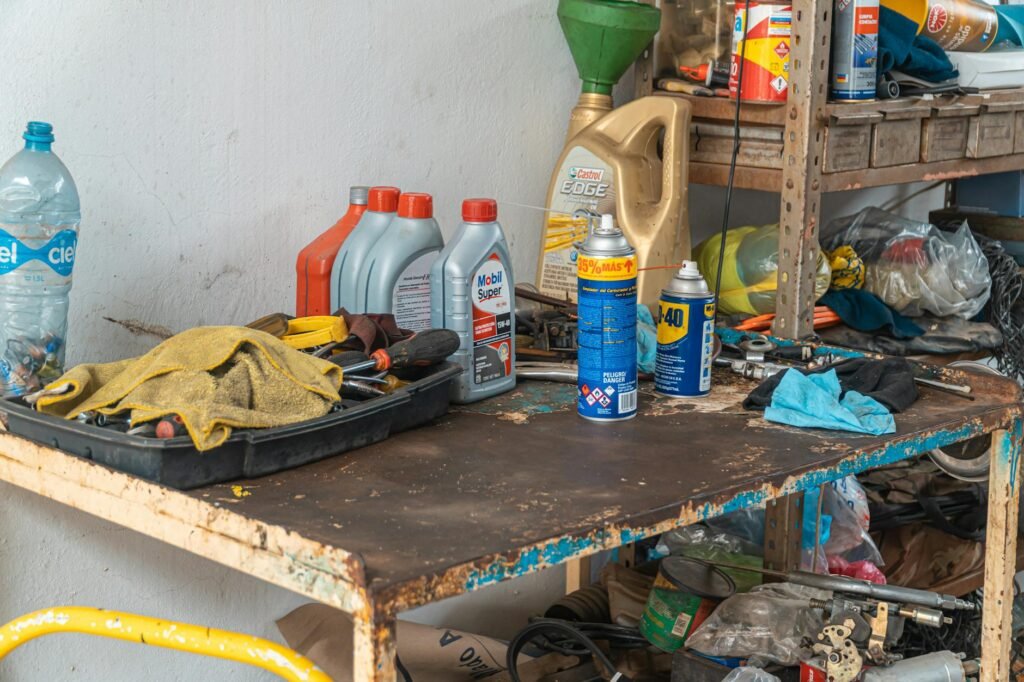
How to pressure-test your result
- Run the door through 3 to 4 full cycles after lubrication or minor adjustment work. (support.chamberlaingroup.com)
- Repeat the half-open balance test with the opener disconnected. A quieter door that still drifts hard is not fixed. (support.chamberlaingroup.com)
- Confirm both sensor LEDs are steady and the door closes normally without early reversal. (support.chamberlaingroup.com)
- Repeat the reversal test using the method in your owner’s manual. If the door fails once, do not put it back into normal automatic use and hope it improves later. (support.chamberlaingroup.com)
- Put the next safety check on the calendar. A monthly balance and reversal test, plus periodic lubrication per the manufacturer, is easier than dealing with a surprise failure on a weekday morning. (support.chamberlaingroup.com)
Bottom line
The highest-value garage door maintenance habit is not endless spraying or random part swapping. It is a short, repeatable safety-and-balance check followed by targeted lubrication and an honest call on when to stop and bring in a technician. If the door moves easily by hand, stays balanced, the sensors are aligned, and the opener reverses on command, you have likely prevented the three problems homeowners care about most: noise, getting stuck, and unsafe operation. (support.chamberlaingroup.com)
Frequently asked questions
How often should I do this garage door check?
A good baseline is monthly for the balance and safety-reversal checks. Chamberlain’s maintenance guidance calls for a monthly balance check and reversal test, with annual lubrication of moving parts. If your owner’s manual gives a different interval, follow the manual for your model. (support.chamberlaingroup.com)
What lubricant should I use on a garage door?
Use a product your door or opener manufacturer approves. Official guidance commonly points homeowners toward garage-door lubricant, silicone-based products, or white lithium in the appropriate spots. Avoid using WD-40 as the main garage door lubricant, keep lubricant off the actual tracks, and do not lubricate nylon rollers. (support.chamberlaingroup.com)
My garage door will not close and the opener light is blinking. What should I check first?
Start with the photo-eyes. Official troubleshooting guidance says the safety sensors must be connected and aligned correctly before the opener will move the door down. Check for a blocked beam, a dirty lens, or an LED that is off or flickering, and confirm the sensors are mounted low near the floor. (support.chamberlaingroup.com)
Can I adjust garage door springs myself if the door feels heavy?
That is usually not a safe DIY job. Manufacturers warn that springs, cables, pulleys, brackets, and related hardware are under extreme tension. Homeowner maintenance should stay in the lane of inspection, cleaning, lubrication, and testing. Spring adjustment belongs to a trained door technician. (support.chamberlaingroup.com)
When is replacement smarter than another repair?
If the opener cannot pass the reversal test, will not maintain safe operation, or is an older non-reversing unit, replacement may be the safer and more rational call. CPSC says non-reversing automatic garage door openers are a hazard and should be repaired or replaced, and automatic residential garage door operators are subject to a federal safety standard. (cpsc.gov)
References
- CPSC FAQ: Automatic Residential Garage Door Operators – https://www.cpsc.gov/FAQ/Automatic-Residential-Garage-Door-Operators
- CPSC consumer alert: Non-Reversing Automatic Garage Door Openers Are a Hazard – https://www.cpsc.gov/s3fs-public/garage.pdf
- Chamberlain: Does my garage door opener require any monthly or annual maintenance? – https://support.chamberlaingroup.com/s/article/Does-my-garage-door-opener-require-any-monthly-or-annual-maintenance-1484145520006
- Chamberlain: How to test the balance of a garage door – https://support.chamberlaingroup.com/s/article/How-to-test-the-balance-of-a-garage-door-1484145605074
- Chamberlain: Garage Door Safety Sensors | How to align – https://support.chamberlaingroup.com/s/article/How-to-align-safety-reversing-sensors-1484145609323
- Chamberlain: Garage Door Won’t Fully Open or Close – https://support.chamberlaingroup.com/s/article/Garage-door-opener-fails-to-travel-fully-1480438303344
- Chamberlain: How to Manually Open or Close a Garage Door – https://support.chamberlaingroup.com/s/article/How-to-Manually-Open-or-Close-a-Garage-Door
- Overhead Door: Maintaining Your Garage Door – https://www.overheaddoor.com/about-garage-doors/maintaining-your-garage-door
- Clopay: How to Properly Lubricate Garage Door Components – https://www.clopaydoor.com/residential/buyingguide/how-to-properly-lubricate-garage-door-components
- Clopay: Why You Should Never Use WD-40 on a Garage Door – https://www.clopaydoor.com/blog/post/blog/2022/08/03/why-you-should-never-use-wd-40-on-a-garage-door