
TL;DR
- The costly mistake is treating the lint screen as the whole job. Restricted airflow can hide in the duct behind the dryer, in the wall run, or at the outside vent cap, and that can lengthen dry times and raise fire risk. (cpsc.gov)
- Federal safety guidance keeps pointing to the same issue: the U.S. Fire Administration says failure to clean was the leading factor in home clothes dryer fire ignitions from 2018 to 2020, and CPSC says clothes dryer fires average 6,400 a year. (usfa.fema.gov)
- Best-practice venting uses a short, straight, metal duct to the outdoors, with no screws sticking into the duct and no plastic flexible hose. (energy.gov)
- Clean the lint filter every load and treat full vent cleaning as a yearly minimum. If your household produces heavy lint, cleaning sooner may make sense. (cpsc.gov)
- If you have a gas dryer, do not run it with the vent disconnected. If the duct disappears into walls, a ceiling, an attic, or a crawlspace, move faster on professional help. (products.geappliances.com)
When laundry starts taking two cycles, many people assume the dryer is wearing out. In many homes, the real problem is airflow. Cleaning the lint screen but ignoring the full vent path behind the dryer and out through the exterior wall leaves lint, kinks, crushed ducting, or a blocked vent cap in place. That wastes time, raises energy use, and creates the overheating conditions safety agencies warn about. (cpsc.gov)
The real mistake is thinking the lint screen solved it
The lint screen matters, but it is only the first checkpoint. USFA explains that lint is also carried through the vent system with moist air. When that path narrows because of lint buildup, a crushed transition hose, too many sharp bends, or a blocked exterior cap, the dryer has to work with less airflow. That usually means longer cycles and more heat staying where you do not want it. (usfa.fema.gov)
That is why the warning signs are so ordinary. Clothes are still damp at the end of a normal cycle. The machine feels unusually hot. The door area looks sweaty. The outside flap barely opens. CPSC says longer-than-normal drying can signal a blocked lint screen or exhaust duct, and GE notes that weak airflow at the wall cap usually points to an obstruction. These are not small annoyances to ignore for six months. (cpsc.gov)
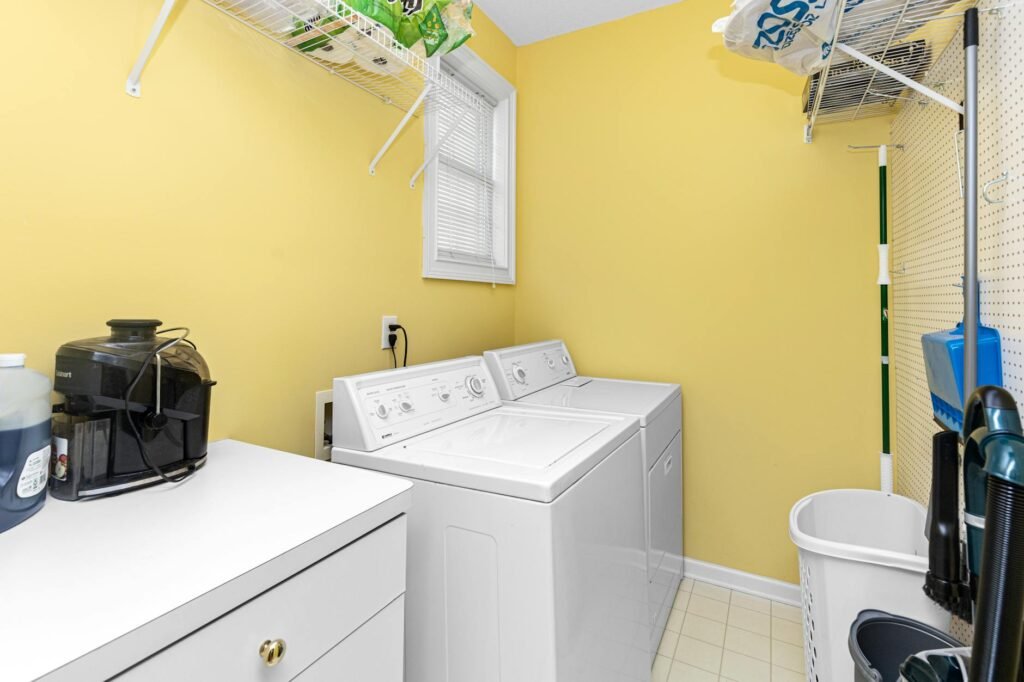
Run the AIRFLOW-7 audit before you blame the dryer
This scorecard can be used as a short triage (5 minutes or less) tool for assessing your equipment’s performance. For every item you fail (a “fail” is defined as an operational issue) give yourself 1 point. If you have scored between 0 and 1 point, you have some routine maintenance to do in the near future; if you’ve scored between 2 and 3 points, you have to fix the problem this week; and if you’ve scored 4 or more points or any gas dryer issues, those repairs should be treated as higher-priority safety jobs for your equipment.
- A – Air at the exterior cap: Run the dryer and check the outside hood. The flap should open and you should feel warm, moist exhaust. Weak airflow or a flap that barely moves usually means restriction. (cpsc.gov)
- I – Interior lint path: Clean the lint filter every load, and periodically vacuum lint from the slot below it. DOE specifically recommends removing the lint that collects below the screen. (cpsc.gov)
- R – Route quality: The vent should be as short and straight as practical, using metal ducting, with as few bends as possible. DOE says long runs and excessive bends increase dry time and create fire hazard. (energy.gov)
- F – Flex hose condition: If the transition duct is plastic or foil accordion material, or if metal ducting is crushed behind the dryer, count that as a fail. Manufacturers and CPSC favor metal because it resists crushing and traps less lint. (cpsc.gov)
- L – Location of exhaust: A standard vented dryer should exhaust outdoors, not into a wall, ceiling, attic, crawlspace, or other concealed space. Gas dryers must vent outside. (whirlpool.com)
- O – Outside hood: Clear lint, nests, snow, or debris. DOE’s job aid calls for a termination with a backdraft damper and no cage or screen that can trap lint. (energy.gov)
- W – When last cleaned: If it has been more than a year, or you cannot remember, treat the system as due now. CPSC says to clean lint from the vent pipe at least once a year. (cpsc.gov)
The worth of AIRFLOW-7 is basically to prevent you from making an expensive bad choice. Generally if you have four things that are broken/failed, purchasing a new dryer could be your first very wrong choice. Fix the vent first, then you can figure out if the appliance is in fact bad.
What the delay can cost a household
Here is a realistic electric-dryer example. ENERGY STAR’s scoping report uses 684 kWh a year for a standard vented electric dryer at 283 cycles, which works out to about 2.4 kWh per load. At EIA’s 2025 average U.S. residential electricity price of 17.30 cents per kWh, that is roughly 41 cents per load before vent problems. Now picture a household doing about five loads a week. If poor airflow forces one extra full cycle every five loads, that adds about 137 kWh a year, or roughly $24, in this illustrative example. If the problem hits every other load, the added cost is closer to $58. Exact costs vary, but the direction is clear: bad airflow wastes money before it ever becomes an obvious safety issue. (energystar.gov)
It’s not just about the dollar amount but also your time. Dryers add 20 to 30 minutes quietly to their cycle time, making a backlog of laundry, causing people to do laundry late at night, thereby creating a new normality about it, so this issue continues.
| What you notice | Most likely issue | Best next move |
|---|---|---|
| Loads that used to dry in one cycle now need two. (cpsc.gov) | Restricted airflow from lint, a kink, or too many bends. (usfa.fema.gov) | Inspect the transition duct, clean the vent path, and check the exterior cap. (cpsc.gov) |
| Dryer feels unusually hot or the door area looks sweaty. (products.geappliances.com) | Heat and humidity are not leaving the drum fast enough. (products.geappliances.com) | Treat it as an airflow problem first, not normal aging. (products.geappliances.com) |
| Outside flap barely opens, or there is little warm air outdoors. (cpsc.gov) | Obstruction at the hood or somewhere in the duct. (cpsc.gov) | Clear any accessible blockage. If the run is hidden, book a pro. (energy.gov) |
| Foil or plastic accordion hose behind the dryer. (cpsc.gov) | Wrong material and more likely to crush or collect lint. (cpsc.gov) | Replace it with the metal duct type allowed by the manual. (whirlpool.com) |
| Vent runs into an attic, crawlspace, wall cavity, or other concealed space. (whirlpool.com) | Improper exhaust route, not just a cleaning issue. (whirlpool.com) | Correct the route to the outdoors, and move faster if the dryer is gas. (whirlpool.com) |
A practical reset you can do this weekend
- Check the manual first. Confirm your model’s vent-length rules and whether the transition duct behind the dryer should be rigid or flexible metal. If you have a gas dryer, plan more cautiously because it must vent outside. (whirlpool.com)
- Pull the dryer out enough to inspect the transition duct. If it is plastic or foil accordion material, or if it is crushed, replace it with the metal duct type allowed by your manufacturer. (cpsc.gov)
- Clean the lint filter and vacuum lint from the slot below it. DOE says the lint below the screen is worth removing periodically, not just the lint you can see on top. (cpsc.gov)
- Disconnect accessible duct sections and remove lint. Reassemble with clamps or approved fittings, not screws that stick into the duct and catch lint. (whirlpool.com)
- Go outside while the dryer runs. The flap should open and warm, moist air should be escaping. Clear lint, nests, snow, or other obstructions, and avoid caps with cages or screens that trap lint. (cpsc.gov)
- If the vent route disappears into a wall, ceiling, attic, or crawlspace, or the run has lots of bends, stop treating this like a quick wipe-down. That is the point to book a qualified vent cleaner or appliance technician. (whirlpool.com)
- Put a recurring reminder on your calendar: lint filter every load, full vent cleaning at least yearly, and a quick exterior-flap check every few months. The annual minimum comes from CPSC; the more frequent flap check is an editorial rule meant to catch problems earlier. (cpsc.gov)

Common mistakes that keep the problem coming back
- Cleaning the lint screen and calling the job finished. Lint also travels into the vent system, which is why federal fire guidance focuses on more than the filter alone. (usfa.fema.gov)
- Keeping an old plastic or foil hose because it is cheap and flexible. Those materials crush and trap lint more easily than metal. (cpsc.gov)
- Pushing the dryer flat against the wall and pinching the duct. Even good ducting loses performance when airflow gets kinked off. (whirlpool.com)
- Running screws through duct joints. The exposed points catch lint, which is exactly what you do not want in the exhaust path. (whirlpool.com)
- Ignoring outside warning signs such as a stuck flap, weak exhaust, nests, or seasonal buildup around the hood. Exterior blockage counts too. (usfa.fema.gov)
- Venting into an attic, crawlspace, wall, ceiling, or other concealed interior space. Standard vented dryers are meant to exhaust outdoors, and gas dryers must vent outside. (whirlpool.com)
When a basic cleaning is not enough
Some homes have a vent-design problem, not just a cleaning problem. DOE’s weatherization job aid says long runs or excessive bends create a fire hazard and increase dry time, and it notes that runs that must exceed 35 feet may call for a booster fan. That is a clue to get the route reviewed against the dryer manual and local code instead of guessing with whatever duct parts are at the hardware store. (energy.gov)
Sometimes the house vent is fine and the appliance needs service. CPSC advises having a qualified service person clean the interior dryer chassis periodically, because lint can build up behind the machine as well as in the duct. GE also notes that, on electric models, if symptoms persist during a brief diagnostic run with the vent disconnected, the dryer itself may need repair. Do not use that disconnected test on a gas dryer. (cpsc.gov)
Gas dryers deserve a faster escalation path. GE says a gas dryer must be vented to the outside and warns not to operate it without the vent attached because carbon monoxide fumes could enter the room. As a separate home-safety layer, CPSC recommends CO alarms on each level of the home and outside sleeping areas, along with smoke alarms on every level. (products.geappliances.com)
How to pressure-test the fix
- Benchmark one repeatable load, such as a normal batch of bath towels, using the same washer spin and the same dryer setting before and after the cleanup. This keeps your comparison honest.
- Your pass-fail checks are simple: drying time comes back closer to normal, the outside flap opens, and warm moist air is clearly leaving the house. (cpsc.gov)
- The dryer should not feel unusually hot or sweaty around the door after a normal cycle. If it still does, keep troubleshooting. (products.geappliances.com)
- For electric dryers only, a short diagnostic run with the vent disconnected can help isolate a house-vent problem if your manual allows it. Reconnect the vent before regular use. Never do this with a gas dryer. (products.geappliances.com)
- Check again in a week. If lint is already collecting heavily at the exterior hood or dry times are creeping back up, the route may be too long, poorly designed, or not fully cleaned. (energy.gov)
Bottom line
The costly mistake is not forgetting the lint trap. It is assuming the lint trap is the whole job. A dryer needs an open, metal, outdoor exhaust path to move heat, moisture, and lint more safely. If clothes suddenly take longer to dry, treat that as an airflow warning first, not just an appliance annoyance. Clean the full path, fix bad ducting, and escalate faster if the run is hidden or the dryer is gas. (cpsc.gov)
FAQ
How often should a dryer vent be cleaned?
CPSC says to clean lint from the vent pipe at least once a year and to keep the lint filter clean before or after each use. If your household produces a lot of lint, cleaning more often may make sense, but yearly is the federal minimum in the sources reviewed. (cpsc.gov)
What are the first signs that airflow is the real problem?
Longer-than-normal dry times, clothes still damp at the end of a typical cycle, a hot or sweaty dryer, and weak airflow at the outside flap are the big clues. CPSC and GE both flag those symptoms as signs of blockage or restricted venting. (cpsc.gov)
What kind of duct should be behind the dryer?
Manufacturers and DOE guidance point to 4-inch metal ducting, with rigid metal preferred for best airflow. Semi-rigid or flexible metal may be acceptable in limited situations, but plastic duct and loose foil-style hose are poor choices because they can crush, kink, and collect lint. (whirlpool.com)
Can I vent a dryer into an attic, crawlspace, or inside the laundry room?
Standard vented dryers should exhaust outdoors. Whirlpool’s installation guidance says not to vent into attics, crawlspaces, walls, ceilings, or other concealed spaces, and GE says internal venting is not recommended. Gas dryers must vent outside. (whirlpool.com)
When should I stop DIYing and call a pro?
Call sooner if the duct run is hidden, very long, or full of bends, if you have a gas dryer, if the outside cap still has weak airflow after cleaning, or if the dryer remains hot and slow after the vent path checks out. Those are the cases where you may have a design issue or an appliance issue, not simple lint buildup. (energy.gov)
Will cleaning the vent really save money?
It can. In an illustrative electric-dryer example using federal averages, a standard vented electric dryer works out to about 2.4 kWh per load and about 41 cents per load at the 2025 U.S. residential average electricity price. If poor airflow adds one extra full cycle every five loads, that is roughly $24 a year. Your rate and machine may be higher or lower. (energystar.gov)
References
- U.S. Fire Administration: Appliance and Electrical Fire Safety – https://www.usfa.fema.gov/prevention/home-fires/prevent-fires/appliance-and-electrical/
- U.S. Consumer Product Safety Commission: Save Daylight, Save Lives; Replace Batteries in Smoke and Carbon Monoxide Alar – https://www.cpsc.gov/Newsroom/News-Releases/2023/Save-Daylight-Save-Lives-Replace-Batteries-in-Smoke-and-Carbon-Monoxide-Alarms
- U.S. Consumer Product Safety Commission: Overheated Clothes Dryers Can Cause Fires – https://www.cpsc.gov/s3fs-public/5022.pdf
- U.S. Department of Energy: Energy Saver Laundry Guide – https://www.energy.gov/energysaver/laundry
- U.S. Department of Energy: Vent a Clothes Dryer Job Aid – https://www.energy.gov/sites/default/files/2024-07/17-1_vent-clothes-dryer.pdf
- Whirlpool Installation Instructions for Dryer Venting – https://www.whirlpool.com/content/dam/global/documents/201812/installation-instruction-w11255762-revA.pdf
- GE Appliances: Dryer Installation Information for Exhaust Ducting – https://products.geappliances.com/appliance/gea-support-search-content?contentId=21080
- GE Appliances: Dryer Things To Check For a Venting Issue – https://products.geappliances.com/appliance/gea-support-search-content?contentId=21557
- ENERGY STAR Market & Industry Scoping Report: Residential Clothes Dryers – https://www.energystar.gov/sites/default/files/asset/document/ENERGY_STAR_Scoping_Report_Residential_Clothes_Dryers.pdf
- U.S. Energy Information Administration: Electricity Prices and Factors Affecting Prices – https://www.eia.gov/energyexplained/electricity/prices-and-factors-affecting-prices.php