
The expensive part of an under-sink leak usually is not the water bill. It is the cabinet floor that swells, the side panel that stains, the musty smell that lingers, and the insurance argument that can start when damage looks gradual instead of sudden. The EPA says the average household’s leaks can waste more than 9,300 gallons a year, and state insurance guidance warns that homeowners coverage often treats gradual leaks differently from sudden ones. That is why an under-sink drip is worth treating like a budget risk, not a minor chore. (epa.gov)
TL;DR
- Empty the cabinet, dry everything, and test the sink in stages. Most homeowners miss leaks because they only look once and do not isolate the faucet, drain, sprayer, dishwasher, and disposal separately. (epa.gov)
- Use the SINK Score in this article to decide whether you can monitor the issue, need a plumber within 48 hours, or should treat the leak as a same-day problem.
- If wet materials are dried within 24 to 48 hours, the EPA says mold often will not grow. Waiting longer is what turns a simple leak into a cleanup job. (epa.gov)
- If water is near an outlet, disposal cord, or other electrical equipment, stop using the area and cut power before touching equipment. OSHA says never operate electrical equipment while standing in water and that wet equipment should be inspected before being energized again. (obis.osha.gov)

Start with a 10-minute cabinet save check
You do not need a fancy toolkit for the first pass. You need a bright light, dry paper towels, a shallow bowl, and your phone camera. The EPA’s leak guidance specifically tells homeowners to look under sinks for leaks at pipe connections, puddling, rust, and other water spots, and to check for pooling water around connected appliances. (epa.gov)
- Empty the cabinet completely. Remove paper towels, cleaners, bins, and anything that can hide moisture or wick water into the cabinet floor.
- Wipe the entire area dry first. A leak test is much easier when you are not guessing whether the moisture is old or new.
- Press a dry paper towel against the shutoff valves, supply lines, trap, cabinet floor, back wall, and the underside of the sink. Paper towels often catch slow drips faster than your eyes do. The EPA advises checking under sinks for pooling water and rust around joints and edges. (epa.gov)
- Run cold water for one minute, then hot water for one minute. Watch every connection while the water is running and again for 30 seconds after you turn it off.
- Use the sprayer if you have one, and move it through its normal range. A side sprayer or pull-down hose can leak only when extended or only when pressure changes.
- Fill the sink halfway, then drain it while watching the trap and drain joints. Drain-side leaks often show up only during discharge, not while the faucet is running. The EPA’s checklist tells homeowners to look for pooling water under pipes and around connected appliances. (epa.gov)
- If you have a dishwasher, disposal, instant-hot unit, or reverse-osmosis filter, test each one separately. If any cord, plug, switch module, or outlet is wet, stop and cut power before touching equipment. OSHA warns against operating electrical equipment in standing water and says wet equipment should be inspected before it is energized again. (obis.osha.gov)
The SINK Score: a simple triage tool for under-sink leaks
Prior to purchasing any plumbing piece, or if you are considering flipping it over and doing a quick solenoid fix with part DIY try getting an actual score of how bad the leak is. We are not expecting someone to diagnose any particular issue with your plumbing, but rather be able to distinguish between a watch-it issue and a catastrophically damaging to the cabinetry issue.
- S = Surface moisture now: Add 2 points if the cabinet floor, back wall, valve body, or pipe joint is wet after you wiped it dry.
- I = In-use leak: Add 2 points if the leak appears when the faucet, sprayer, drain, dishwasher, or disposal runs.
- N = Nearby power: Add 3 points if water is within splash range of an outlet, disposal plug, hardwired appliance, or electrical switch. OSHA treats wet electrical equipment as a serious hazard. (obis.osha.gov)
- K = Cabinet damage: Add 2 points if you see swelling, softness, staining, peeling shelf liner, or a musty odor. The EPA says mold damages the material it grows on and that moisture control is the key to prevention. (epa.gov)
- Add 1 extra point if you cannot clearly identify the source within 10 minutes.
| Score | What it usually means | Best next move |
|---|---|---|
| 0 to 2 | Minor moisture, no cabinet damage, source is obvious. | Dry it, make a simple repair if you are confident, and recheck within 24 hours. |
| 3 to 5 | Leak is active or the source is not fully clear. | Schedule repair within 48 hours and keep the cabinet empty until the area stays dry. |
| 6 to 8 | High chance of cabinet damage, appliance involvement, or a pressure-side leak. | Treat it as a same-day plumber call. |
| 9 or more | Active leak plus electrical risk, hidden damage, or major saturation. | Shut off water, cut power to affected equipment if needed, and call a licensed professional immediately. |
Inspect the four leak zones under the sink
1) Supply lines and shutoff valves
Check the braided faucet lines, angle stops, and the point where each line meets the faucet shank. If a valve or supply line is wet even when the faucet is off, think pressure-side leak. Those are worth moving up the priority list because they can drip around the clock. If this is not the first supply-line problem in the house, the EPA notes that incoming water pressure should generally be in the 45 to 60 psi range; repeated failures can be a clue that pressure should be checked by a pro. (epa.gov)
2) Drain, trap, and slip-joint connections
If the cabinet stays dry until you drain the bowl, focus on the tailpiece, P-trap, slip joints, basket strainer, and disposal discharge connection. The EPA’s leak checklist specifically points homeowners to pooling water under pipes and rust around joints and edges. Put a dry bowl or towel directly under the trap during the drain test so you can tell whether the drip is active now or left over from an older leak. (epa.gov)
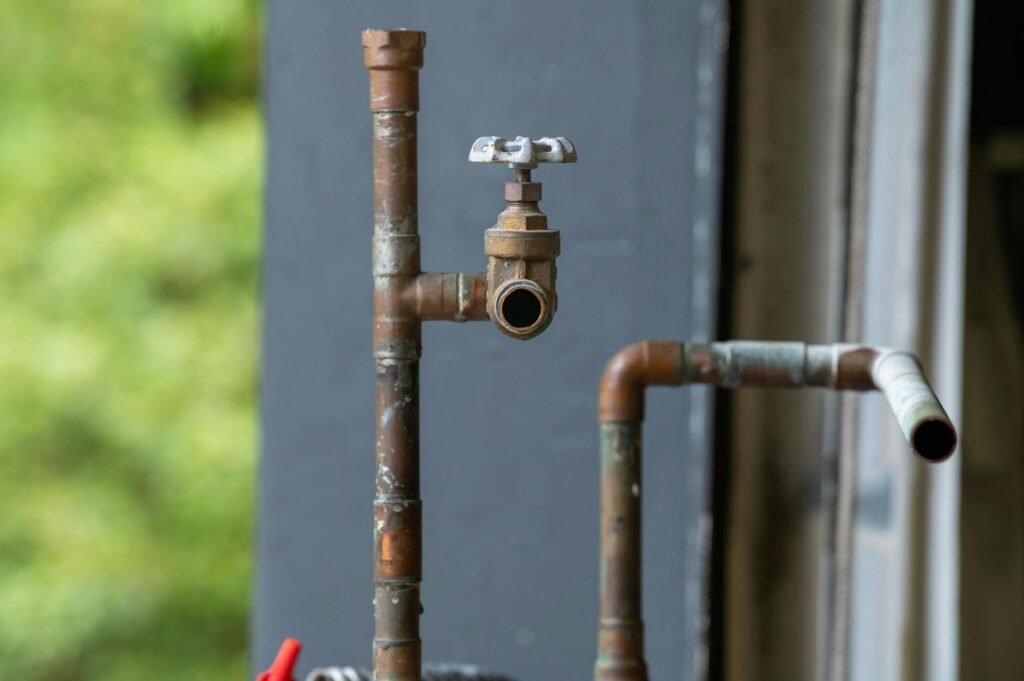
3) Faucet base, sprayer hose, and countertop penetrations
Not all leaks from under the sink originate there; water can come into the cabinet through cracks around loose bases for faucets, soap dispensers, or side sprays and run down the inside wall of the cabinet. Start by drying off the underside of the deck and then turn on the faucet and sprayer while using a flashlight to assist you in locating where the water is coming from. If the back wall gets wet first and the trap remains dry, check your plumbing above the sink before tearing apart any plumbing underneath the sink.
4) Dishwasher, disposal, and add-on water lines
If the sink plumbing looks fine, widen the search. The EPA’s checklist says pooling water under dishwashers can indicate a supply-line leak. Also inspect the dishwasher drain hose connection, the disposal body and discharge tube, refrigerator or instant-hot feed lines, and any reverse-osmosis tubing. This is also the zone where a leak can become an electrical problem fast, so do not keep testing if cords or plugs are wet. (epa.gov)
| What you see | Most likely source | Do this today | Urgency |
|---|---|---|---|
| Water appears only while the sink drains | Trap, slip joint, strainer, or disposal discharge connection | Dry the area, rerun the drain test, and repair it or book a plumber if the drip repeats. | Within 24 to 48 hours. (epa.gov) |
| Cabinet floor gets wet even when the faucet is off | Supply line or shutoff valve under constant pressure | Empty the cabinet and schedule repair quickly. | Same day if active. (epa.gov) |
| Back wall gets wet when you use the sprayer or faucet | Faucet base, sprayer hose, or deck penetration | Trace upward before buying drain parts. | Within 48 hours. |
| Water near a disposal plug, switch module, or outlet | Leak plus electrical hazard | Stop use, cut power to affected equipment, and call a pro. | Immediate. (obis.osha.gov) |
| Musty odor, staining, or soft cabinet floor but no fresh drip | Hidden leak, an old leak that never dried, or moisture trapped in materials | Inspect the adjacent wall and floor, keep the cabinet empty, and find the source before repainting or relining. | Within 24 hours. (epa.gov) |
A realistic money example: fix it now or pay for cabinets later
Consider a composite scenario. A homeowner notices a damp liner under the kitchen sink on Monday night. They spend about $30 on basics: paper towels, a small moisture alarm, and a plastic tray. On Tuesday, a plumber replaces a leaking stop valve and short supply line for a $185 service call plus $42 in parts. Total: $257.
Now compare that with waiting two weeks. The valve still gets replaced, but the cabinet floor has swollen, the toe kick is stained, and the side panel needs sealing and repainting. A modest cabinet-floor rebuild and finish repair can easily push the total past $1,000. That is the real finance lesson here: delay does not just risk damage, it often turns one trade call into two or three.

Common mistakes that make a cheap leak expensive
- Checking only while the faucet runs. A pressure-side leak from a stop valve or supply line can drip continuously, even when no one is using the sink.
- Putting everything back under the sink as soon as the cabinet feels dry. The EPA says drying wet materials within 24 to 48 hours matters because moisture that lingers is what allows mold to get established. (epa.gov)
- Treating shelf liner as a repair. Liner can hide fresh water, trap moisture against the cabinet floor, and delay the moment you realize the leak is still active.
- Ignoring the wider water-use picture. The EPA recommends comparing your current bill with the same month last year and checking the water meter during a period when no water is being used; if the reading changes after two hours, you likely still have a leak somewhere in the home. (epa.gov)
- Continuing to run a disposal or dishwasher when the area is wet. OSHA says never operate electrical equipment while standing in water and to have wet equipment inspected before it is energized again. (obis.osha.gov)
- Assuming insurance will sort it out later. State insurance guidance says homeowners coverage usually covers sudden leaks but may not cover gradual leaks, and the NAIC notes that claims depend on your deductible, timing, and documentation. (insurance.wa.gov)
When the simple fix is not enough
Some sink leakage visible might just be the tip of something more serious below the surface. Soft cabinet flooring, water damage on walls adjacent to the cabinet, shutoff valves that won’t shut completely, multiple leaks from the same area after attempts to fix the leak are signs of possible hidden pipe damage, saturated subfloors, or high water pressure.
If you cannot stop the leak at the fixture, use the main water shutoff; Ready.gov says everyone in the household should know where it is and how to turn it off. If water reached wiring or electrical equipment, use an electrician. If mold covers more than about 10 square feet, or if the water was contaminated, the EPA says to bring in qualified help rather than treating it as a basic cleanup job. Leak alarms and whole-home flow-monitoring devices can also be a useful backup, and the EPA notes that some systems can alert you or activate a shutoff valve, though product limitations and installation requirements vary. (ready.gov)
Informational only: this article is general home-maintenance guidance, not legal, insurance, or electrical advice. Insurance coverage depends on your policy language, deductible, and the facts of the loss. If a leak is active and you cannot isolate it quickly, call a licensed plumber. If water reached wiring, an outlet, or a disposal cord, use a qualified electrician. For sewage, contaminated water, or significant mold, use a qualified remediation professional. (insurance.wa.gov)
How to verify the repair actually worked
- Dry the area completely before the retest. You cannot confirm a fix if you are staring at yesterday’s moisture.
- Lay fresh paper towels under the shutoff valves, supply lines, trap, and appliance connections. They make tiny drips obvious.
- Run the sink in sequence: cold, hot, sprayer, full-basin drain, then dishwasher or disposal if connected. The EPA’s leak checklist is built around testing common fixtures and looking for pooling water at specific connection points. (epa.gov)
- Check the cabinet again one hour later and the next morning. The EPA says you should revisit the site shortly after cleanup and it should show no signs of water damage or mold growth. (epa.gov)
- If the leak was more than a quick drip, keep the cabinet empty until surfaces stay dry through one full day of normal use. Drying wet materials within 24 to 48 hours helps reduce mold risk. (epa.gov)
- If you are still suspicious, do a whole-house pressure test the easy way: the EPA says to read your water meter when no water is being used and check again two hours later. If it changed, you probably still have a leak somewhere. For homes with no outdoor water use in winter, the EPA says a family of four using more than 12,000 gallons in a month likely has a serious leak. (epa.gov)
- Take photos before and after the repair if there was cabinet damage. The NAIC recommends photos, videos, and a list of damaged property if you end up needing to discuss a claim. (content.naic.org)
Bottom line
The best under-sink leak checklist is the one you can finish in one session: empty the cabinet, dry it, test each water source separately, score the risk, and verify the repair the next day. If you see active moisture, cabinet damage, or anything involving electricity, move faster than feels convenient. EPA guidance is clear that fast drying matters, and insurance guidance is clear that gradual damage can become its own separate problem. (epa.gov)
FAQ
Is a damp cabinet floor always an active leak?
The first thing to do is properly dry out any wet area whether it be from an old leak, a new spill, or simply condensation. Once completely dry, you should then individually retest all possible moisture sources. If you see moisture returning to an area you have a current issue.
Can I keep using the sink if the leak is only on the drain side?
Only very briefly, and only if you can fully control the drip while you arrange the repair. Drain-side leaks are usually less urgent than pressure-side leaks, but they still soak cabinet materials quickly and can trigger mold if the area stays damp. (epa.gov)
Will homeowners insurance cover cabinet damage from a slow under-sink leak?
Often not. State insurance guidance says homeowners insurance usually covers sudden leaks but may not cover gradual leaks, and policy language matters. If there is meaningful damage, review the policy and ask your insurer or agent how your water-damage wording applies before you assume coverage. (insurance.wa.gov)
Are moisture sensors or automatic shutoff devices worth it?
For many households, yes. The EPA says leak detection and flow-monitoring devices can identify leaks, alert homeowners to irregular water use, and in some cases activate a shutoff valve. Point-of-use sensors are the low-cost entry point. Whole-home systems offer broader protection, but the EPA also notes that compatibility, subscriptions, and installation requirements vary by product. (epa.gov)
When should I skip DIY and call a plumber right away?
Contact us at once if you have a leak from a shutoff valve, can’t identify where the source is after only a few minutes of searching, the leak is located near electrical power sources, if the cabinet floor seems to be soft to the touch, or if you attempted to repair the problem but water continues to come back into the area. These are all signs of potential repair required on your walls, floors or cabinets instead of just replacing the fitting that was leaking.
What is the fastest way to pressure-test the repair without special tools?
Use fresh paper towels, run hot and cold water, use the sprayer, fill and drain the basin, then check again later and the next morning. If you still suspect a hidden leak, the EPA recommends the two-hour water-meter test during a time when no water is being used. (epa.gov)
References
- US EPA – Fix a Leak Week – https://www.epa.gov/watersense/fix-leak-week
- US EPA – Home Maintenance – https://www.epa.gov/watersense/home-maintenance
- US EPA – A Brief Guide to Mold, Moisture and Your Home – https://www.epa.gov/mold/brief-guide-mold-moisture-and-your-home
- US EPA – Detect and Chase Down Leaks Checklist (PDF) – https://www.epa.gov/sites/default/files/2017-02/documents/ws-ourwater-detect-and-chase-down-leaks-checklist.pdf
- US EPA – Leak Detection and Flow Monitoring Devices – https://www.epa.gov/watersense/leak-detection-and-flow-monitoring-devices
- US EPA – Leak Detection and Flow Monitoring System Technical Sheet (PDF) – https://www.epa.gov/system/files/documents/2023-08/ws-homes-TRM-11-LeakDetectionandFlowMonitoringSystemsTechSheet.pdf
- OSHA – Electrical Safety – https://obis.osha.gov/Publications/electrical_safety.html
- Ready.gov – Safety Skills – https://www.ready.gov/safety-skills
- NAIC – Will My Homeowners Insurance Policy Cover Water Damage From a Burst Pipe? – https://content.naic.org/article/will-my-homeowners-insurance-policy-cover-water-damage-burst-pipe
- NAIC – What You Need to Know When Filing a Homeowners Claim – https://content.naic.org/article/what-you-need-know-when-filing-homeowners-claim
- Washington Office of the Insurance Commissioner – Leaks, water damage and mold – https://www.insurance.wa.gov/insurance-resources/home-insurance/how-home-insurance-works/leaks-water-damage-and-mold